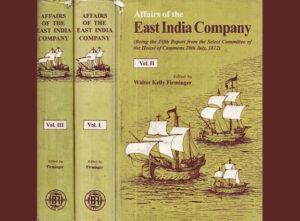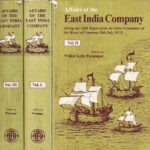

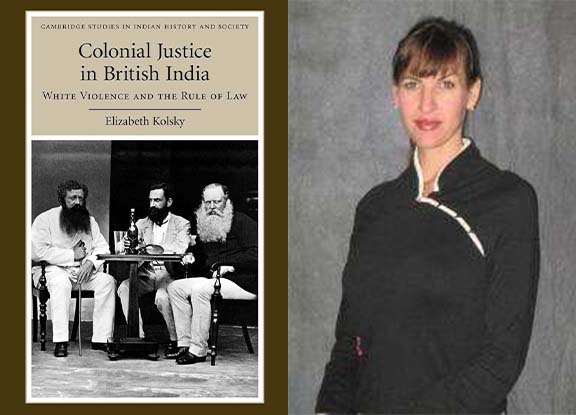
Colonial Justice in British India: White Violence and the Rule of Law Elizabeth Kolsky
ব্রিটিশ ভারতে উপনিবেশিক বিচার — শ্বেতাঙ্গ হিংসা এবং আইনের শাসন, এলিজাবেথ কলস্কি
তৃতীয় অধ্যায় : ভারতীয় সাক্ষ্য/প্রমান আইন
ভারতীয় চিকিৎসাবিদ্যা সংক্রান্ত আইনশাস্ত্র — নতুন আঙ্গিকের উপনিবেশিক জ্ঞানচর্চা
এর আগের কিস্তিতে বলেছি ইসিডোর বি লিয়ঁর বর্ণনায় মেডিক্যাল জুরিসপ্রুডেন্স ফর ইন্ডিয়া মফস্বল (১৮৮৮) নির্দেশিকাতে বলা হল এটা ‘শুধুই ভারতবর্ষের কথা মাথায় রেখে এবং এখানে ব্যবহারের জন্যে লেখা’ হয়েছে। এর পর থেকে বইটি মফস্বলে কাজ করা প্রত্যেক সিভিল সারজনের সঙ্গী হবে। বিচারকেরা সত্যে উপনীত হতে চেয়ে সাধারণত যে সব শারীরিক আর কৃষ্টিগত বাধার মুখোমুখি হন, সে সব নিয়ে বিশদে আলোচনা করেছেন লিয়ঁ। এর মধ্যে আছে গ্রীষ্মকালীন আবহাওয়ায় মৃতদেহ খুব তাড়াতাড়ি পচে যাওয়ার সমস্যা এবং বন্য প্রকৃতিতে খুব তাড়তাড়ি লুকিয়ে ফেলার ঝামেলা মোকাবিলা। এছাড়াও তিনি উপনিবেশিকদের দীর্ঘকালের উদ্বেগ, মিথ্যা দিয়ে সত্য ঢাকা বিষয়টি নিয়ে আলোচনা করেছেন, Evidence in India is known to be very untrustworthy. In nearly every case in law, more or less false evidence is given, whether it be from fear, stupidity, apathy, malice, or deceit. It is referred to by the Prity Council as “the lamentable disregard for truth prevailing amongst the natives of India.” As regards Bengal, an Inspector General of Police once stated that this “is a country where perjury is the rule and not the exception, where no man will tell the whole truth or the simple truth… where false witnesses can be bought for a few annas.” The constant difficulty, therefore, is to sift the truth from the falsehood (Ibid., pp. 24-25)।
ইন্ডিয়ান এভিডেন্স এক্ট (১৮৭২) আসার আগে উপনিবেশিক আদালতে বিশেষজ্ঞ পেশাদারদের সাক্ষ্যকে বিশেষ মর্যাদা দেওয়া হত না। ১৮৬৯এ কলকাতা হাই কোর্ট সিদ্ধান্ত নেয়, চিকিৎসকের অথবা অন্য দক্ষ মানুষ, তিনি যতই বিখ্যাত হোন না কেন…, তাঁদের সাক্ষ্যকে শুধুই মন্তব্য প্রকাশ করার বেশি কিছু হিসেবে দেখার যুক্তি নেই (Queen v. Ahmad Ally and orhers, Sutherland’s Weekly Reporter, vol. 111, p. 25)। তিন বছর পরে ইন্ডিয়ান এভিডেন্স এক্টএ একটি এক্সপার্ট বা বিশেষজ্ঞ লব্জ প্রবেশ করল। ৪৫ ধারায় বলা হল, When the Court has to form an opinion upon a point of foreign law or of science or art, or as to identity of handwriting, the opinions upon that point of persons specially skilled in such foreign law, science or art are relevant facts. Such persons are called experts। অন্যদিকে সাধারণ সাক্ষীকে কঠোর এবং ব্যক্তিগতভাবে শুধুই তথ্য বিবৃত করার সুযোগ অথবা ঘটনাক্রম সম্বন্ধে তার ধারণা উপস্থাপনের সুযোগ দেওয়া হবে, কিন্তু একজন বিশেষজ্ঞ বিষয়টি নিয়ে যে ধারণা পোষণ করে সেটা সে বলার সুযোগ পাবেন, একই সঙ্গে তার বিশেষ জ্ঞানের মাধ্যমে ঘটনাক্রমের সম্ভাব্যতা নিয়ে মন্তব্য করতে পারবেন (Whereas ordinary witnesses were strictly permitted to testify to facts personally seen or perceived, an expert witness could testify to both facts personally observed and opinions deduced on the basis of expert knowledge) (The Indian Evidence Act, sections 45-51)। The law accorded the testimony of the expert with privileged truth-value even though it did not clearly delimit the scope of expertise. Thus whether an expert testified to the width of a wound or the untrustworthiness of native evidence, both opinions were received in court as expert opinions।
১৮৯০ দশক নাগাদ, মেডিকো লিগ্যাল পেশাটি খুবই সাধারণ বিষয় হয়ে ওঠে, যদিও আলাদাভাবে এই কাজ করার জন্যে আলাদা মাইনে বরাদ্দ হয় নি, এটা ছিল সিভিল সারজেনের কাজের অংশ (“The Coroner in rhe Mofassal,” Indian Medical Gazette, October 1899, 362-364)। মেডিক্যাল জুরিসপ্রুডেন্স নিয়ে পাঠ্যপুস্তকের পাশাপাশি ইন্ডিয়ান মেডিক্যাল গেজেটে এই বিষয়ে ধারাবাহিক প্রবন্ধমালা প্রকাশিত হচ্ছিল। এর ফলে স্থানীয় সিভিল সারজেনরা তাদের হাতে কলমে কাজের অভিজ্ঞতা অন্যান্য আমলা এবং পেশাদারের সঙ্গে ভাগ করে নেওয়ার সুযোগ পেল। ইন্ডিয়ান মেডিক্যাল গেজেট বলল কর্মক্ষেত্রে কাজের পরিবেশ তখনও দুর্ভাগ্যজনকভাবে অপর্যাপ্ত, ‘the so-called mortuary usually consists of an ordinary hut with mud-walls and mud floor containing generally a dilapidated wooden table and no other appliances’। মৃতদেহগুলি বহু সময় ১০০ মাইল দূরে ময়না তদন্তের জন্যে পাঠাতে হত এবং চিকিৎসকেদের অধিকাংশ সময়ে অভিযোগ ছিল, মৃতদেহগুলো ‘তাজা’ অবস্থায় আসে না ফলে ময়না তদন্তকর্ম ‘বিরক্তিকর কাজে’ পরিণত হয় এবং ‘এটি এমন একটি ঘৃণ্য দায়িত্ব যেটিকে জোর করে এদেশের ইওরোপিয়দের কাঁধে চাপিয়ে দেওয়া হয়েছে’ (“Medico-Legal Work of Civil Surgeons,” ibid., November 1895, 433-435)। [ক্রমশ]