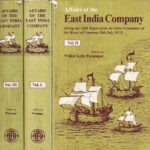

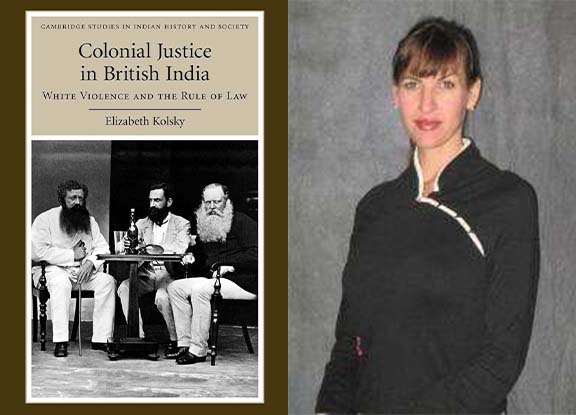
Colonial Justice in British India: White Violence and the Rule of Law Elizabeth Kolsky
ব্রিটিশ ভারতে উপনিবেশিক বিচার — শ্বেতাঙ্গ হিংসা এবং আইনের শাসন, এলিজাবেথ কলস্কি
পঞ্চম অধ্যায়
উপনিবেশিক জাতিবাদ এবং ‘হঠাৎ’ মৃত্যু
লন্ডনের সাম্রাজ্যবাদ বিরোধী আন্দোলনের কর্মীরা, একই সঙ্গে উপনিবেশ সংস্কার আন্দোলন উপনিবেশিক আদালতের জাতিবাদী মামলাজাত ভয়ানক কাণ্ডকারখানা নিয়ে উদ্বিগ্ন হয়ে তুমুল প্রচার চালাল। ভারতীয় প্রজাদের ওপর হত্যা লীলা চালিয়েও আদালতে ছাড় পেয়ে যাওয়া ব্রিটিশ প্রজাদের মামলাগুলোকে ‘বিচারবিভাগীয় কেলেঙ্কারি’ দাগিয়ে দিয়ে হেনরি কটন লিখলেন —
There were innumerable cases in which men charged with most brutal murders for which no other punishment than hanging was suitable had escaped through the failure to administer justice fairly and fully.. .In the first place, these offenders were tried by a jury of their own countrymen. It was, of course, a very sound principle in law that a man should be tried by his peers and equals, but it was hardly necessary for him to point out that in a country like India where Englishmen were widely scattered and where any one of them, say, a tea planter was charged with causing the death of an unfortunate coolie, and was arraigned before other tea planters in the same position as himself, it was natural and even inevitable that the jury should be biased and should find the accused guilty of the smallest cognizable offense under the law (Henry Cotton’s 1903 speech in London, quoted by Legislative Assembly Member Rangachariar, NAI, Legislative Assembly Debates, September 15, 1921)।
১৮৯০তে পার্লামেন্ট সদস্য চার্লস ব্রাডলা বিগত ৫ বছরে ইওরোপিয়দের হাতে খুন হওয়া ভারতীয়দের মামলার হিসেব চাইলেন (BL, IOR, L/PJ/6/275, File 672)। ৪ বছর পরে পার্লামেন্ট সদস্য উইলিয়াম কেন হাউস অব কমনসে দাবি জানালেন — ‘the Administration of Criminal Justice in India is such as to bring it into contempt and render it a terror to Law-abiding people’(BL IOR, L/PJ/6/369, Files 459, 467, 468)। ১৯১৩য় স্যর উইলিয়াম স্ট্রিকল্যান্ড প্রকাশ করলেন British Justice and Honesty: Addressed to the People of England and India (1913) নামক পুস্তিকা, যার প্রথম স্তবকটি ছিল The English in India and elsewhere boast of their even-handed justice… [M]y personal experience is that this boast has no foundation whatever। ইওরোপিয়দের হাতে লাঞ্ছিত নানান মামলার কথা তিনি উল্লেখ করে লিখলেন, — an Irish private soldier [who] murdered a beautiful Burmese girl whom he was “in love” with and her mother, and then raped one or both of the still warm bodies. For this little error of judgment he was awarded such comfortable quarters in Rangoon Gaol that he has no desire whatever to quit them.. .Very different were the Moslem rulers in their best days, at least in the matter of even-handed justice for they condemned their own sons to death rather than deal out one justice for the conqueror and another for the conquered (BL, IOR, EPP 37/5)। স্ট্রিকল্যান্ডের কাজটি সাম্রাজ্যবাদী সরকার নিষিদ্ধ করে।
ব্রিটিশ সেনা এবং ‘নিগার-লাঞ্ছনা’ করার সাম্রাজ্যবাদী দ্বিধা
সাম্রাজ্যের বৈধতার তত্ত্ব সময়ের সঙ্গে সঙ্গে বদলালেও শেষ পর্যন্ত কিন্তু সাম্রাজ্যর কার্যকারিতা নির্ভর করত সেনাবাহিনীর আধিপত্য রক্ষা করার ওপরে। ভারতবর্ষীয় উপনিবেশে কাজে আসা সব থেকে বেশি ব্রিটিশ নিযুক্ত ছিল সেনাবাহিনীর সেবায় (P.J. Marshall, “British Immigration into India in the Nineteenth Century,” Incineration, 14, 1 (1990), 25-41)। ১৮৩৭-এ ভারতের ৪১ হাজার ব্রিটিশের মধ্যে ৩৭ হাজার ছিল সেনা। ১৯০৬-এ এই সংখ্যাটা হল প্রায় দ্বিগুণ ৭৪,৫০০। বাহিনীর সাধারণ জওয়ানেরা, হাতেগোণা উচ্চপদস্থ সেনা আমলা এবং অভিজাত প্রশাসনিক আমলাদের থেকে আলাদা রকমের শ্রেণী চরিত্রের — এদের মাইনে উপনিবেশে কাজ করা অন্য ইওরোপিয়র থেকে তুলনামূলকভাবে বেশি ছিল এবং সিভিল আমলাদের বাধ্যতামূলক ২৫ বছরের চুক্তি চাকরির বাধ্যবাধকতা এদের ওপর চাপানো হত না। রিচার্ড হোলমস লিখছেন The British army was — with a few notable exceptions – a body of poor men officer by rather richer ones (Holmes, Sahib, p. 221)।
ভারতে ব্রিটিশ সেনাবাহিনী কৃষ্টির ভিত্তি ছিল হিংসাশ্রয়ী, আগ্রাসী। বাহিনীর সাধারণ সেনারা ভারতবর্ষীয়দের ওপরে চাপিয়ে দেওয়া দৈনন্দিনের হিংসার মাত্রা নির্ভর করত বাহিনীতে চলতে থাকা হিংসার পরিবেশের ওপরে নির্ভর করে (D. M. Peers, “Privates off Parade: Regimenting Sexuality in the Nineteenth-Century Indian Empire,” International History Review, 20, 4 (1998), 844-853)। ব্যারাকে নানান ধরণের গাড়োয়ানি জাতিবাদী তামাশা, রসিকতা হামেশাই চলত। এই সব তামাশাজাত অপমানের প্রতিফলন ঘটত বাহিনীর বাইরে চালানো হিংসার ঘটনায়। সাধারণত বাহিনীর সেনারা গরম, ঘিঞ্জি এবং অপরিষ্কার শিবিরে বাস করত বলেই তাদের স্বাস্থ্যহানি, রোগভোগ লেগেই থাকত। মৃত্যুর হার ছিল খুবই বেশি। ভারতের ব্যারাকগুলোয় প্রতি ১০০০ সেনাপিছু ৫৮ সেনা মারা যেত। এই সংখ্যা ছিল ব্রিটেনে ব্যারাকে মৃত্য হারের ৩ গুণ (Holmes, Sahib, p. 143)। বাহিনী থাকবন্দীর নিচের দিকের সেনা, ব্যারাকে সেনা কুচকাওয়াজের অভ্যেসের পরের সময় ব্যয় করত হিংসা এবং অহিংস কাজে – যেমন বই পড়া, লেখা, উপাসনা করা, সেলাইফোঁড়াই করা, মদ্যপান, জুয়া খেলা, মোরগ লড়াই, মাছ ধরা, প্রজাপতি সংগ্র করাহ, শুয়োর শিকার করা, গুলি ছোঁড়া, ‘পাখাওয়ালাদের জোরে পাখা না টানার জন্যে এবং বিছানায় যথেষ্ট জল না দেওয়ার জন্যে টাট্টিওয়ালাদের খিস্তি করা (Frank Richards, Old Soldier Sahib (London: Faber and Faber, 1936), p. 239)’ এবং দেশিয় প্রজাদের অহেতুক নিগ্রহ করে তাদের হাতে মৃত্যু বরণ ইত্যাদিতে (Letter from Sergeant Thomas Duckworth to his parents, March 1834, Holmes, Sahib, p. 115)।
ব্রিটিশ বাহিনীর সেনাদের বহু অপরাধে ফাঁসির সাজা দেওয়া হয়েছে — যদিও সাধারণ ভারতীয়র চোখে বাহিনীর সদস্যদের শাস্তি পাওয়া যাতে চোখে না পড়ে সেটা নিশ্চিত করা হত (“Execution of a Death Sentence,” W. Hough, A Case Book of European and Native General Courts-Martial Held from the Years 1801 to 1821 (Calcutta, 1821), pp. 736-738)। ফাঁসি ছাড়াও এদের শাস্তি ছিল বন্দীদশা, শারীরিক দাসত্ব এবং শাস্তিমূলক চাবুকাঘাত। এই অত্যাচারের বহর চলেছে ১৯০৭ অবদি। কনস্টেবল প্রাইভেট ওয়াটারফিল্ড লিখছেন, In India, the private soldier is looked upon as the lowest class of animals, and only fit to be ruled with the cat O’Neil tails and the provost sergean (Holmes, Sahib, p. 431)। [ক্রমশ]