
এবারে আমরা খোজা বিষয়ক আলোচনায় বাংলাকেন্দ্রিকতা ছেড়ে মুঘল হিন্দুস্তানের ভৌগোলিক এলাকায় প্রবেশ করব। প্রথমে আলোচনা করব সুলতানি এবং মুঘল আমলের পর্দা প্রথা, এবং অনেকেরই ধারণা আছে মুঘল জেনানার মধ্যে খোজারা অবস্থান করতেন, সেটা পুরোপুরি ঠিক নয়।
সুলতানি আমলের হারেমের বড়ভাবে বর্ণনা পাই ইবনবতুতার লেখায়। বতুতা বিভিন্ন ইসিলামি দেশ ঘুরে দিল্লিতে এসেছেন বলেই আমরা তার লেখাপত্রে বিভিন্ন ইসলামি সংগঠন এবং ইসলামি কৃষ্টির তুল্যমূল্য আলোচনা পাই। দিল্লিতে এসে তাঁর লেখায় সুলতানের মায়ের প্রাসাদ থেকে তার পুত্র সুলতান এবং দাসীশুদ্ধ মায়ের বেরোনোর যে বর্ণনা পাচ্ছি, সেখানে দেখছি পর্দাপ্রথাকে খুব বড়ভাবে মানা হচ্ছে না। ষোড়শ শতাব্দের মুঘল আমলে জেনানা মহলের যে বর্ণনা পাই তার তুলনায় সুলতানি আমলের হারেমে পর্দাপ্রথা অতটা কঠোরভাবে যতদূরসম্ভব মেনে চলা হত না। শেখ রিজকুল্লা মুস্তাকি ওয়াকিতইমুশতাকিতে যে অভিজাত আমীরের জেনানার বর্ণনা দিচ্ছেন, সেখানে বলা হচ্ছে গৃহস্থর বাড়িতে নির্দিষ্ট একটা এলাকার ভিতরে খোজাদের ঢুকতে দেওয়া যেমন হত না, তেমনি খোজাদের সকলের সঙ্গে মিশতেও দেওয়া হত না।
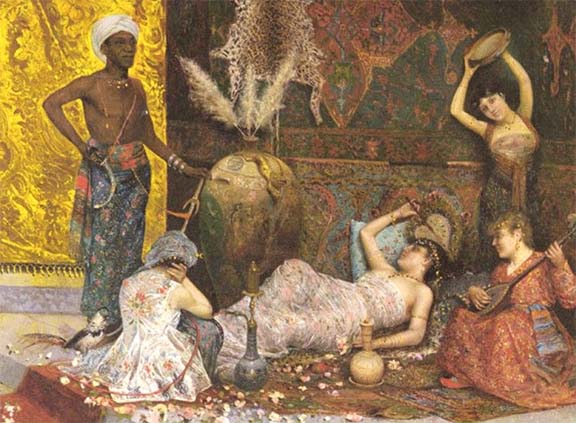
রিজকুল্লা মুস্তাকি লিখছেন ‘দরজার সামনে একজন হাজিব [দ্বাররক্ষী] পাহারায় থাকতেন; হারেমের ঠিক সামনে কোনও একজন পর্দাদার দাঁড়িয়ে থাকতেন; ভেতরের দরজায় থাকতেন একজন খাজাসারা [খোজাদের প্রধান] আর প্রাসাদের ভেতরের দেওয়াল ঘেঁসে একজন বৃদ্ধা বসে থাকতেন। হারেমে যদি কোনও বার্তা পাঠাতে হত, তাহলে হাজিব সেই বার্তাটিকে পাহারাদারের কাছে পৌঁছে দিত, পাহারাদার সেই বার্তাকে নিয়ে যেত খাজাসারার কাছে; খাজাসারা সেই বার্তা পৌঁছে দিত ভিতরের দেওয়াল ঘেঁসে বসে থাকা বৃদ্ধাকে। বৃদ্ধা, এই বার্তা উদ্দিষ্ট মহিলার কাছে নিয়েযেতেন, মহিলা তার বুদ্ধি মত কাজ করতেন। প্রাসাদের ভেতরে পরিবারের বাইরের পুরুষের নাম (না মহরম) কেউ উচ্চারণ করত না। তবে যদি নাম উল্লেখই বাধ্য হয়ে করতে হয়, তাহলে শুধু পুরুষটির পদের নামোল্লেখ করতে হত। হারেম ছিল রক্ষী ঘেরা একটি ঘেরাটোপ। হারেমের দরজায় খোজাদের পাহারা ছিল। হারেমের বৃদ্ধা মহিলারাই বাইরের মানুষের সঙ্গে আলাপ করতে পারত। ক্ষমতাসীনদের সমস্যা ছিল খোজাদের পুরুষ শরীর। যদিও কোনও খোজার পক্ষেই মহিলাদের সঙ্গে যৌন সংসর্গ করা সম্ভব ছিল না,তবুও তারা পর্দার পিছনে মহিলাদের জেনানায় পৌঁছতে পারত না।
যদিও প্রাসাদের মূল কাঠামো থেকে আলাদা করে রাখা জেনানা অন্দরমহল পরিচালানোর অন্যতম প্রধান দায়িত্বে ছিল মূলত খোজারা। ইন্টারেস্টিং বিষয় হল, মধ্য এশিয়ার বিভিন্ন প্রায়-যাযাবর সমাজের দরবারে মেয়েরা তুলনামূলকভাবে অনেক বেশি মুক্ত থাকতেন, সে সব কাঠামোতেও খোজার অস্তিত্ব ছিল। যাযাবর জীবন যাপন মহিলাদের পক্ষে অনেক খোলামেলা ছিল, ইবনবতুতা মধ্য এশিয়ার কিপচাক মহিলাদের স্বাধীনতার প্রশংসা করেছেন। ইবন খালদুনের সরাসরি ছাত্র কায়রোর মামলুক সময়ের ফতিমি সময় নিয়ে কাজ করা ইতিহাসবিদ আল মারকিজি (১৩৩৪-১৪৪২) সুলতান আল সালেহ ইমাদুলদিন ইসমাইলের গৃহস্থি বিষয়ে বলছেন ‘…তিনি যখন মাঝেমধ্যে ২০০ মহিলা নিয়ে আক্কাডিয় [এখানে একটু প্রসঙ্গান্তরে যাব। খোজা বিষয়ে যখন ইন্টারনেটে খোঁজখবর করছিলাম, সে সময় মিশরীয়-ভারতবর্ষীয় ঘোড়া ব্যবসা সম্বন্ধে একটা লিঙ্ক উঠে এল হঠাতই। কার কাজে লাগবে জানি না, আমার তো লাগবেই।
মিশরীয়-ভারতবর্ষীয় ঘোড়া ব্যবসা সম্বন্ধে বলা হয়েছে [যে বর্ণনা আমি খুব একটা আগে পাই নি, হস গোমানসে বা অন্য কোনও লেখাতেও নয়] The horses in this country are exceedingly numerous and their price is negligible. A good horse costs fifty or sixty of their dirhams, which equals one dinar of our money or thereabouts. These are the horses known in Egypt as akadish, and it is from [the raising of] them that they make their living, horses in their country being like sheep in ours, or even more numerous, so that a single Turk will possess thousands of them. It is the custom of the Turks who live in this country and who raise horses to attach a piece of felt, a span in length, to a thin rod, a cubit in length, for every thousand horses [possessed by each man]. These rods are put on the waggons in which their women ride, each being fixed to a corner of the waggon, and I have seen some of them who have ten pieces [of felt] and some with less than that.
These horses are exported to India [in droves], each one numbering six thousand or more or less. Each trader has one or two hundred horses or less or more. For every fifty of them he hires (373) a drover, who looks after them and their pasturage, like sheep; and this man is called by them alqashi. He rides on one of them, carrying in his hand a long stick with a rope on it, and when he wishes to catch any horse among them he gets opposite to it on the horse that he is riding, throws the rope over its neck and draws it to him, mounts it and sets the other free to pasture. When they reach the land of Sind with their horses, they feed them with forage, because the vegetation of the land of Sind does not take the place of barley, and the greater part of the horses die or are stolen. They are taxed on them in the land of Sind [at the rate of] seven silver dinars a horse, at a place called Shashnaqar, and pay a further tax at Multan, the capital of the land of Sind. In former times they paid in duty the quarter of what they imported, but the king of India, the Sultan Muhammad, abolished this [practice] [479] and ordered that there should be exacted from the Muslim traders (374) the zakat and from the infidel traders the tenth. In spite of this, there remains a handsome profit for the traders in these horses, for they sell the cheapest of them in the land of India for a hundred silver dinars (the exchange value of which in Moroccan gold is twenty-five dinars), and often sell them for twice or three times as much. The good horses are worth five hundred [silver] dinars or more. The people of India do not buy them for [their qualities in] running or racing, because they themselves wear coats of mail in battle and they cover their horses with armour, and what they prize in these horses is strength and length of pace. The horses that they want for racing are brought to them from al-Yaman, ‘Oman and Fars, and each of these horses is sold at from one to four thousand dinars. সূত্র : http://www.almasalik.com/locationPassage.do?locationId=33324&languageId=en&passageId=1485] আক্কাডিয় ঘোড়ায় চড়ে প্রাসাদ থেকে আনন্দ-বিহারের মাঠে যেতেন খোজাদের সঙ্গে নিয়ে। সম্রাটের প্রিয় স্ত্রীরা আরবি রেশমের কামিলিয়া [আলখাল্লা] পরে ঘোড়ায় চড়ে একে অপরকে তীব্র গতিতে পাল্লা দিত। কোনও কোনও সময়ে তারা ঘোড়ায় চড়ে পোলো খেলত। এখানে পর্দা-প্রথা কঠোরভাবে মানা হত না। (চলবে)