
সূর্যালোকে আসেনি ভারতের স্বাধীনতা। আমরা স্বাধীন হয়েছিলাম মধ্যরাতের অন্ধকারে। ঘড়িতে তখন রাত বারোটা।
অখণ্ড ভারতের বারোটা বাজিয়ে ক্ষমতার হাতবদল হয়েছিল। মাঝরাতে দু’টুকরো হয়ে গেল দেশ। কিন্তু ভারত ভেঙে দুটি স্বাধীন রাষ্ট্র জন্ম নেয়নি। জন্মেছিল দুটি পৃথক ডোমিনিয়ন।
১৯৪৭ সালের আগস্ট মাসের ঠিক মাঝামাঝি, ১৪ ও ১৫ তারিখের মিলন ক্ষণে, বাস্তবে কী ঘটেছিল সেই বিবরণ ‘স্টেটসম্যান’ সংবাদপত্রের ১৫ আগস্টের কলকাতা সংস্করণ থেকে তুলে দিচ্ছি হুবহু ইংরেজিতে:
New Delhi, Aug. 15 – Two new Dominions, India and Pakistan, were born at zero hour today, ushering in political freedom to 400 million people constituting one-fifth of the human race. At a special session of the Indian constituent Assembly, the House assumed full powers for the administration of the Indian Dominion.
‘স্টেটসম্যান’ ছিল সেসময় ভারতের পয়লা নম্বর সংবাদপত্র। ব্রিটিশ স্বার্থের মুখপত্র। রাতের বেলা আসল ঘটনাটি কী ঘটেছে, পর্দার আড়ালেই বা কোন্ হিসাবনিকাশ সারা হয়েছে, অন্যান্য খবরের কাগজের তুলনায় তা তারাই বেশি জানত। স্বাধীনতা প্রাপ্তির খবর দিতে গিয়ে দেশি সংবাদপত্রগুলি আবেগে ভেসে গিয়েছিল। স্টেটসম্যান ছিল স্থির। তাদের প্রতিবেদন ছিল সর্বাংশে সঠিক।
ওই প্রতিবেদন থেকে যে কয়েকটি পংক্তি উদ্ধৃত করেছি তা থেকে দেখা যাবে, সূর্যডোবা রাতে দুটি জিনিস এসেছিল হাত ধরাধরি করে। ভারতের বুক চিরে ইন্ডিয়া ও পাকিস্তান নামে আলাদা দুই ডোমিনিয়নের জন্ম। সেইসঙ্গে ক্ষমতা হস্তান্তর।
মুক্তিযুদ্ধের দুই প্রধান নায়কই ছিলেন ওই দৃশ্যে অনুপস্থিত। মহাত্মা গান্ধী যিনি কলকাতার বেলেঘাটায় বস্তি এলাকায় মুখ লুকিয়ে ওই রাতটি কাটিয়েছিলেন। নেতাজি সুভাষচন্দ্র, যিনি কোথায় ছিলেন তা আজও কেউ জানে না।
স্বাধীনতা ও দেশভাগ একসঙ্গে জড়িয়ে গেল। কিন্তু দেশভাগ ছিল যতটা নিরেট সত্য, স্বাধীনতা ততটা নয়। দেশভাগের সঙ্গে মিশে গিয়েছিল কোটি কোটি মানুষের চোখের জল। রক্তের স্রোত বয়েছিল। জাতির চেয়ে বড় হয়েছিল সম্প্রদায়। জাতীয় সংগ্রামকে ছাপিয়ে গিয়েছিল সম্প্রদায় বিশেষের জেহাদ। গড়ার চেয়ে ভাঙাই পেল মর্যাদা। দেশপ্রেমকে বিদায় জানিয়ে মান্যতা দেওয়া হল ক্ষমতার কাড়াকাড়িকে।
গান্ধীজি তাই বেঁচে থেকেও দৃশ্যপট থেকে স্বেচ্ছায় সরে গেলেন। নিভৃতে নীরবে কাঁদলেন। তাঁর সারা জীবনের সাধনা ব্যর্থ হয়েছে বলে তিনি ভাবলেন। দেশভাগ ছিল তাঁর ব্যর্থতার একদিক। হিংসার সাফল্য ও জয় ছিল ব্যর্থতার অপর দিক।১৫ আগস্ট ছিল তাঁর পরাজয়ের দিন। গ্লানিভারে নুয়ে পড়েছিলেন তিনি।
সেদিন, সেই রাতে কারও কথাই তিনি ভাবছিলেন না। জওহরলাল, সর্দার প্যাটেল, মৌলানা আজাদ সবাই তখন তাঁর দূরের মানুষ। ওরা এতকাল আমাকে মই হিসেবে ব্যবহার করেছে। কাজ ফুরোলে ছুঁড়ে ফেলেও দিয়েছে। রাতে একা বসে গান্ধীজি এই কথা ভাবছিলেন।
তখন তাঁর মনে পড়েছিল অন্য এক পুরুষকে। কলকাতারই মানুষ তিনি। কলকাতা থেকেই হয়েছিল তাঁর শেষ যাত্রা। স্বাধীনতার সমনতার সমরানলে তিনিই পুড়িয়েছিলেন ভারতের ব্রিটিশ সাম্রাজ্যকে। যে খণ্ডিত মুক্তি এসেছিল তাও তাঁরই দান। গান্ধীজি আপনমনে এসব কথাই ভাবছিলেন।
‘যদি সুভাষ ফিরত তবে দেশ ভাগ হত না।’ এই ছিল গান্ধীজির বিশ্বাস। সুভাষের প্রত্যাবর্তন কামনা করছিলেন তিনি। যতদিন বেঁচেছিলেন ততদিন সে কামনা করেও গিয়েছেন।
শুধু দেশভাগজনিত যন্ত্রণা নয়, অন্য এক ভাবনায়ও কাতর হয়েছিলেন গান্ধীজি। যে স্বাধীনতা এল তা কতটা খাঁটি আর কতটা মেকি তা তিনি বুঝতে পারছিলেন না। সংশয়ের অন্ধকারে ছেয়ে গিয়েছিল মন।
রাজনৈতিক নেতা হবার আগে গান্ধীজি ছিলেন আইনের ছাত্র। আইন ব্যবসায়ী। আইনের পাঠ তিনি নিয়েছিলেন লন্ডনে। তাই ব্রিটিশ আইনের মর্ম তিনি জানতেন। তিনি এও জানতেন, স্বাধীনতা ও দেশভাগ, একই বৃন্তে এই দুটি ফুল ফুটেছে ব্রিটিশ আইনের আওতায়।
আইনটির নাম The Indian Independence Act, 1947। ওই বছর ১৮ জুলাই ব্রিটিশ পার্লামেন্টে গৃহীত হয়েছিল সেই আইন। আইনের প্রস্তাবনা অংশে বলা হয়েছিল, ভারত ও পাকিস্তান নামে দুটি স্বাধীন ডোমিনিয়ন গড়ার জন্যই এই আইন প্রণয়ন করা হয়েছে। ১ নং ধারাতেও ছিল সেই একই কথা। কিন্তু ৫ নং ধারায় এসেই থলির বিড়াল বেরিয়ে পড়েছিল। তাতে বলা হয়েছিল :
For each of the new dominions, there shall be a Governor General who shall be appointed by His Majesty and shall represent His Majesty for the purposes of the Government of Dominion.
আমি আইনের মূল ভাষাই উদ্ধৃত করলাম। কেন না শুধু বাংলা অনুবাদটুকু দিলে সন্দেহ ও অবিশ্বাস সৃষ্টি হবে। স্বাধীনতা আমরা ছিনিয়ে নিইনি। ব্রিটিশ রাজকে ডাণ্ডা পিটিয়ে তাড়াইনি। ১৯৪৭ সালের ১৪-১৫ আগস্টের রাতে নয়াদিল্লির পার্লামেন্ট ভবনের মাথায় ইউনিয়ন জ্যাক নেমে গিয়ে তেরঙ্গা ঝাণ্ডা উঠলেও স্বাধীনতা আমরা ‘পেয়েছিলাম’ মাত্র। তাও অন্য দেশের পার্লামেন্টের পাস হওয়া আইনের জোরে। সে আইনের বয়ান রচনায় কোনও ভারতীয়ের হাত ছিল না। ভারতের জনমতের সায়ও ছিল না। সব দেশের সংসদই আইন পাস করে দেশের স্বার্থে। সেই স্বার্থের হানি হতে পারে এমন আইন পার্লামেন্ট অনুমোদন করে না। বিশেষত ব্রিটিশ পার্লামেন্ট। সংসদীয় আইনকানুনের হাড়হদ্দ তাদের জানা। জাতীয় স্বার্থ সম্পর্কে ব্রিটিশের সমান সচেতনও কেউ নয়।
সেজন্যই যে ইন্ডিয়ান ইন্ডিপেন্ডেন্স অ্যাক্ট অনুসারে আমাদের স্বাধীনতা দেওয়া হয়েছিল তাতে খোলাখুলি লেখা ছিল, স্বাধীন ডোমিনিয়নের মাথায় থাকবেন গভর্নর জেনারেল। গ্রেট ব্রিটেনের রাজা তাঁকে নিয়োগপত্র দেবেন। তিনি ডোমিনিয়ন শাসন করবেন রাজার প্রতিনিধিরূপে।
আইনের এই ধারাটিতে কথার মারপ্যাঁচ ছিল না। ব্যাখ্যার কুটকচালির তাই সুযোগ নেই। পরিচ্ছন্ন ভাষায় বলে দেওয়া হয়েছিল, ভারত হবে ডোমিনিয়ন। তার মানে, শুধু ডোমিনিয়ন স্ট্যাটাসই দেওয়া হল। তার অবস্থান ব্রিটিশ সাম্রাজ্যের বাইরে হবে এমন কথা বলা হয়নি। যেটুকু বলা হয়েছিল তা হল, নয়া ডোমিনিয়ন শাসন করবেন রাজার নিয়োজিত গভর্নর জেনারেল। তিনি দায়বদ্ধ থাকবেন ডোমিনিয়নের পার্লামেন্টের কাছে নয়, মন্ত্রিসভার কাছে তো নয়ই। তাঁর দায়বদ্ধতা সীমাবদ্ধ থাকবে শুধু গ্রেট ব্রিটেনের রাজার কাছে।
এই ছিল চোদ্দ-পনেরো আগস্ট রাতে পাওয়া স্বাধীনতার সর্তযুক্ত চেহারা। ওই স্বাধীনতা প্রাপ্তির খবর দিতে ‘স্টেটসম্যান’ পত্রিকার প্রভাতী সংস্করণ তাই একটুও ভুল করেনি। ব্রিটিশ পার্লামেন্টে গৃহীত ইন্ডিয়ান ইন্ডিপেন্ডেন্স অ্যাক্ট পড়ার সুযোগ এদেশের জনসাধারণ পায়নি। নেতারা পড়েছিলেন কিনা সন্দেহ। তাই ঐ আইনের ফলিত রূপ প্রকাশ করে ‘স্টেটসম্যান’ মোহনিরসনে সাহায্য করেছিল।
তাদের প্রকাশিত প্রতিবেদনের শিরোনামেই বলে দেওয়া হয়েছিল, রাতের আঁধারে জন্ম নিয়েছে ডোমিনিয়ন। তাতে ভারত যা পেল তাকে রাজনৈতিক স্বাধীনতা হয়ত বলা যায়। কিন্তু সর্বাঙ্গীণ স্বাধীনতা তা নয়। ভারতীয়রা ক্ষমতা পেয়েছে, কিন্তু সে ক্ষমতার সীমা নির্দেশ করে দিয়েছে ব্রিটিশ আইন। সেই আইনমতে ডোমিনিয়নের মাথায় থাকবেন রাজার ছড়ি হাতে গভর্নর জেনারেল। লর্ড মাউন্টব্যাটেন।
মাউন্টব্যাটেন গভর্নর জেনারেল হয়ে ভারতে এসেছিলেন প্রচুর ক্ষমতা হাতে নিয়ে। তাঁর আগে ওই পদে যত জন এসেছেন কাউকেও এত ক্ষমতা দেওয়া হয়নি। কেন না ভারতে হাতের মুঠো আলগা না করে ইংরেজের তখন উপায় ছিল না। ইতিমধ্যেই বিদায়ের বাজনা বেজে গিয়েছে। কিন্তু যাবার আগে শেষ কামড় দেওয়াই ব্রিটিশ কূটনীতির বৈশিষ্ট্য। কামড়টিকে মোক্ষম করে তুলতে হলে শক্ত ধাতের ও শক্ত দাঁতের মানুষের প্রয়োজন ছিল। মাউন্টব্যাটেনের দাঁতগুলি বেশ শক্ত করেই পাঠানো হয়েছিল এ দেশে।
তাঁর হাতও শক্ত করে দেওয়া হয়েছিল। লন্ডনে তখন প্রধানমন্ত্রী সোসালিস্ট অ্যাটলি। সোসালিস্টরা কোনদিনও সরল হয় না। অ্যাটলির পূর্বসূরী উইনস্টন চার্চিল ছিলেন রক্ষণশীল সাম্রাজ্যবাদী। তাঁর রাজনীতি ছিল সহজ, সরল। তাই তাঁকে বোঝা যেত। অ্যাটলিকে বোঝার উপায় ছিল না। সোসালিস্টরা যেমন হয়, তিনিও তেমন ছিলেন প্যাঁচালো রাজনীতির সিদ্ধ পুরুষ।
অ্যাটলির সরকারই ইন্ডিয়ান ইন্ডিপেন্ডেন্স অ্যাক্টের প্রণেতা। প্রবর্তকও। আইনটি এমন ভাবে তৈরি করা হল, যেন ভারতকে সত্যই স্বাধীনতা দেওয়া হচ্ছে। কিন্তু সেই স্বাধীনতাকে বিকল করে দেবার ব্যবস্থাপত্র আইনেই রেখে দেওয়া হল। ওই আইন পাসের সাতমাস আগেই অ্যাটলি বেছে রেখেছিলেন একজন পেশাদার কাজের মানুষকে। তিনি ভারতে গিয়ে ছেড়ে দিয়ে ধরে রাখার খেলায় সফল হবেন, এই আস্থা ছিল। তিনিই মাউন্টব্যাটেন।
মাউন্টব্যাটেন ছিলেন মহারানি ভিক্টোরিয়ার নাতির ছেলে। তাঁর ধমনীতে বইত রাজরক্ত। তার ওপর তাঁকে ভারতে পাঠানো হয়েছিল হাতে ধারালো খাঁড়া দিয়ে। ডাক্তাররা রোগীর দেহে অস্ত্রোপচার করেন তীক্ষ্ণ ছুরির সাহায্যে। তাঁরা চান, রোগ নিরময়। কিন্তু মাউন্টব্যাটেন খাঁড়া তুলেছিলেন বলির পাঁঠাকে মাটিতে লুটিয়ে দিতে। তিনি অপরের দেশকে টুকরো করে রক্তের বন্যা বইয়ে দিয়েছিলেন। ইতিহাসের কোনও নিষ্ঠুর ঘাতকই আজ পর্যন্ত কোনও জাতির এত বড় সর্বনাশ করতে পারেনি। মাউন্টব্যাটেনের নৃশংসতার বলিরা ছিল নিহত, আহত, ছিন্নমূল মিলিয়ে লক্ষ লক্ষ নরনারী। তার চেয়েও বেশি, উপমহাদেশের জাতীয়তার মূলেই চূড়ান্ত আঘাত করে গিয়েছিলেন মাউন্টব্যাটেন।
রাজা ষষ্ঠ জর্জ ছিলেন মাউন্টব্যাটেনের ‘তুতো’ ভাই। অ্যাটলির কথায় রাজি হবার আগে বাকিংহ্যাম প্রাসাদে রাজার সঙ্গে একান্তে আলাপচারি করেছিলেন লর্ডসাহেব। তিনি রাজাকে জিজ্ঞাসা করেছিলেন, তুমি কি মনে কর, আমি ভারতে তোমার শেষ কাজটি করে আসতে পারব? রাজা বললেন, আমি বহু ভেবে দেখেছি, তুমিই পারবে। অ্যাটলির সঙ্গে আমি একমত।
জহ্লাদের মনোভাব নিয়েই মাউন্টব্যাটেন ভারতে এসেছিলেন। তাই কোন ব্যাপারেই তাঁর তর সইছিল না। ১৯৪৭ সালের ২৪ মার্চ ভাইসরয় প্রাসাদে তাঁর অভিষেক হয়েছিল। তারপর পাঁচটি মাসও তিনি পেরতে দেননি। চল্লিশ কোটি মানুষের ভাগ্য নির্ধারণ করতে তাঁর লেগেছিল মাত্র সাড়ে চার মাস। যাঁদের তিনি বলি দিলেন তাঁদের একটু সামলে নেবার সময়টুকুও তিনি দেননি। পুরো অপ্রস্তুত অবস্থায় অগণিত সাধারণ, নির্বিরোধী নরনারী নিয়িতিগ্রাসিত হল। বিনিময়ে মাউন্টব্যাটেন পেয়েছিলেন তাঁর জীবনের শ্রেষ্ঠ পুরস্কার। তিনি হলেন স্বাধীন ভারতের প্রথম গভর্নর জেনারেল।
ভারতের ভবিষ্যৎও তখন তাঁর মুঠোয় এসে গিয়েছে। প্রথম সুযোগেই তিনি এ দেশকে স্থায়ী সঙ্কটের মধ্যে ছুড়ে দিলেন। স্বাধীনতা পাওয়ার পর আমাদের দেশরক্ষার প্রথম যুদ্ধ হয়েছিল কাশ্মীরে। বীরত্ব ও ত্যাগের পরাকাষ্ঠা দেখিয়েছিল ভারতীয় ফৌজ। অগ্রগতির মুখে তাদের থাবড়া মেরে পথে বসিয়ে দিয়েছিলেন মাউন্টব্যাটেন। আমাদের জওয়ানদের বিজয় সম্পূর্ণ হতে সামান্য বাকি থাকতে তিনি রাশ টেনে ধরেছিলেন। এভাবে চিরস্থায়ী কাশ্মীর সঙ্কট তিনিই সৃষ্টি করেছিলেন।
ভারতের এই সর্বনাশ তিনি করেছিলেন ইন্ডিয়ান ইন্ডিপেন্ডেন্স অ্যাক্টের পঞ্চম ধারায় প্রদত্ত ক্ষমতা বলে। প্রধানমন্ত্রী জওহরলাল নেহরু ওই ধারা মানতে বাধ্য ছিলেন। লেডি মাউন্টব্যাটেন দৃশ্যপটে গরহাজির থাকলেও কাশ্মীর নিয়ে নেহরু যা করেছেন তা তাঁকে করতেই হত। সর্দার বল্লভভাই প্যাটেল প্রধানমন্ত্রী থাকলেও ভারত সরকারের আচরণ অন্যরকম হত না। প্যাটেলও ছিলেন ব্যারিস্টার। ব্রিটিশ আইনের মহিমা তাঁরও অজানা ছিল না। ইন্ডিয়ান ইন্ডিপেন্ডেন্স অ্যাক্টের অধীনে ভারতের স্বাধীনতা কাঁঠালের আমসত্ত্ব কিনা তা বোঝার মতো বিচক্ষণতা তাঁর ছিল। দেশভাগের প্রস্তাবের তিনিও ছিলেন একজন উৎসাহী সমর্থক। সেজন্যও গান্ধীজির মর্মবেদনা হয়ে উঠেছিল অপরিসীম।
নেহরু, প্যাটেল, আজাদ সহ কংগ্রেসের গোটা হাইকম্যান্ড হাত পেতে, ইংরেজের দয়ার দান হিসেবে ডোমিনিয়ন নিলেন। সেই সঙ্গেই মেনে নিলেন দেশভাগ। এঁরাই ছিলেন সুভাষবিরোধী চক্র। এঁরাই সুভাষচন্দ্রের বিরুদ্ধে গান্ধীজিকে তাতাতেন। এঁরা সবাই মিলে নিজেদের একত্রিত শক্তিসামর্থ্যেও জাতীয় রাজনীতিতে একা সুভাষচন্দ্রের সঙ্গে পাল্লা দিতে পারেননি। তাই গান্ধীজিকে এঁদের প্রয়োজন ছিল। মহাযুদ্ধের পর সুভাষচন্দ্রের ফিরে আসার সম্ভাবনা যখন আপাতত দেখা গেল না তখন গান্ধীজির দামও আর রইল না এই চক্রের কাছে। তখন এই তথাকথিত গান্ধীবাদী নেতারা গান্ধীজিকে বাদ দিয়েই সরাসরি ইংরেজের সঙ্গে দর কষাকষিতে নামলেন। শিষ্য হওয়ার বদলে তাঁরা তখন মহাত্মার গুরু সাজলেন।
গান্ধীজির জীবনের শেষ দিনগুলি তাই হয়ে উঠেছিল বেদনায় ম্লান। তাঁর বহুকালের পার্ষদরাই তখন ক্ষমতা পেয়েছেন। তাঁর নেতৃত্বের প্রতিদ্বন্দ্বী সুভাষচন্দ্র কোন্ সুদূরে হারিয়ে গিয়েছেন। এটাই হওয়া উচিত ছিল মহাত্মার জীবনের সেরা সময়। ফকির হয়েও তিনি তখন পেতে পারতেন রাজার চেয়ে বেশি সম্মান। অনায়াসে পেতে পারতেন দিকে দিকে সাড়ম্বর সংবর্ধনা।
কিন্তু হল তার বিপরীত। গান্ধীজির মন ভেঙে গেল। বেঁচে থাকার ইচ্ছা চলে গেল। জীবনের শেষ ছয়মাস যাবৎ তিনি যেন আততায়ীর গুলির জন্য একান্তে প্রতীক্ষা করছিলেন। অবশেষে গুলি যখন তাঁর বুক ভেদ করল তখন তিনি ‘হে রাম’ বলে মৃত্যুকে স্বাগত জানিয়েছিলেন। তাঁর জীবনে শান্তি এসেছিল মৃত্যুরূপে।
সুভাষচন্দ্র ছিলেন একা মৃত্যুঞ্জয়ী। কেন না আদর্শের সঙ্গে তাঁর হয়নি লুকোচুরি খেলা। তাঁর সংগ্রামে ছিল না আপস। ভারত জননীর পদাম্বুজে তাঁর ছিল নিঃশেষ আত্মদান। তাঁর বিবেক বাঁধা পড়েনি কোথাও। যদি তাইহোকুর বিমানবন্দরে অগ্নিদগ্ধ হয়ে তাঁর মৃত্যু হত তবে সেই মৃত্যুও হত অন্যান্যদের জীবনের চেয়ে উজ্জ্বল। সেই মৃত্যুতেও থাকত অমরতার অগ্নিস্বাক্ষর।
আর যদি আজাদ হিন্দ সরকার ও আজাদ হিন্দ ফৌজের সর্বাধিনায়করূপে তিনি দেশে ফিরতেন তা হলে ভারতে মাউন্টব্যাটেনের দেখাই মিলত না। অ্যাটলি কূটকৌশলের সুযোগ পেতেন না। ব্রিটিশ পার্লামেন্ট ইন্ডিয়ান ইন্ডিপেন্ডেন্স অ্যাক্ট পাস করার স্পর্ধা দেখাত না। ভিক্ষাপাত্র বাড়িয়ে ধরে ডোমিনিয়নরূপী মাকাল ফল নিতে হত না ভারতীয় নেতাদের। হিন্দু, মুসলমান, শিখের রক্তবন্যায় দেশ ভাসত না। কোনও মতেই দেশ দু-টুকরো হত না।
ব্রিটিশ যে ভারত থেকে বিদায় নেবে সুভাষচন্দ্র তা জানতেন। যাবার আগে তারা যে অখণ্ড ভারতকে বিভক্ত করে দিয়ে যাবে তা তিনি যুদ্ধ শুরু হবার আগেই বুঝেছিলেন। কংগ্রেস সভাপতির ভাষণে সে বিষয়ে তিনি জনসাধারণ ও নেতৃমণ্ডলীকে হুঁশিয়ার করেও দিয়েছিলেন। তারপর যখন তিনি দেশের বাইরে, দক্ষিণ-পূর্ব এশিয়ায় স্বাধীনতার যুদ্ধ চালাচ্ছেন তখন বেতার ভাষণে গান্ধী, নেহরু, প্যাটেল প্রমুখ নেতৃমণ্ডলীর কাছে বারবার তিনি আবেদন জানিয়েছিলেন, মাতৃভূমিকে দ্বিখণ্ডিত হতে দেবেন না।
কেউ শোনেনি তাঁর কথা। ক্ষমতার দৌড়ে কে আগে এগোবে, এই ছিল নেহরু প্যাটেল জিন্না লিয়াকৎদের ভাবনা। তাঁরা সবুর সইতে পারছিলেন না।
কোহিমা ইম্ফল থেকে আজাদ হিন্দ ফৌজ যেদিন পিছু হটেছিল সেদিনই ফুটে উঠেছিল ভারতের দুর্ভাগ্যলিপি। সে ছিল ইংরেজের হাসির দিন। আজাদির শক্তি হেরে গেল। সাম্রাজ্যবাদীরা জিতে গেল। আমাদের জাতীয় নেতারা বিজয়ী শক্তির সঙ্গে হাত মেলালেন। তার ফল ভারত বিভাগ এড়ানোর উপায় রইল না।
বিশেষ দ্রষ্টব্য :—
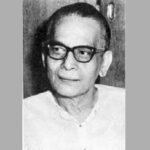
১) ৺পবিত্র কুমার ঘোষ ‘সাপ্তাহিক বর্তমান’-এর বিভিন্ন সংখ্যায় বহু প্রবন্ধ লিখেছিলেন। সেইসব লেখা থেকে বেশ কিছু নির্বাচিত প্রবন্ধ নিয়ে “পবিত্র কুমার ঘোষ রচনা সমগ্র – ১” প্রকাশ করেছিলেন সংকলক অধ্যাপক (ড.) রমাপ্রসাদ বন্দ্যোপাধ্যায় তাঁর নিজস্ব প্রকাশনা সংস্থা ‘সত্যের পথ ফাউন্ডেশন’ থেকে, এপ্রিল ২০১১ এ। এই প্রবন্ধটা সেই গ্রন্থ থেকে অধ্যাপক ড. রমাপ্রসাদ বন্দ্যোপাধ্যায়ের অনুমতি নিয়ে পোস্ট করা হল।
২) ভারতের জাতীয় নিরাপত্তা উপদেষ্টা শ্রী অজিত ডোভাল কিছুদিন আগে বলেছিলেন যে নেতাজি থাকলে ভারত বিভক্ত হত না। নেতাজি থাকলে যে ভারত দ্বিখণ্ডিত হতনা সেকথা বহু নেতাজী অনুরাগীরাই বলে থাকেন। আমিও একথা আগে লিখেছি। কিন্তু শ্রদ্ধেয় পবিত্র কুমার ঘোষের মত প্রথিতযশা লেখকের ১৯৯৫ সালের এই লেখাটার গুরুত্ব হাজারগুণ বেশি।
৩) এই বইটা শ্রী পার্থ সারথী বসু কলকাতা থেকে আমাকে কুরিয়ার করে পাঠিয়েছেন এবং আমি গতকাল (২৬শে জুন ২০২৩) বিকেলে পেয়েছি। তাই আজ পোস্ট করতে পারলাম। শ্রদ্ধেয় পবিত্র কুমার ঘোষের লেখাটার ইংরেজি অনুবাদটা তাড়াহুড়ো করে, গুগুলের সহায়তা নিয়ে আমি করেছি। কোন ভুল ত্রুটি হয়ে থাকলে মার্জনা প্রার্থনা করছি।
[২১ জানুয়ারি, ১৯৯৫-এ প্রকাশিত ‘সাপ্তাহিক বর্তমান’ থেকে]
INDIA WOULD NOT HAVE BEEN PARTITIONED IF NETAJI HAD RETURNED
PABITRA KUMAR GHOSH
[English translation of a Bengali write-up published in the ‘Saptahik Bartaman’ magazine of January 21, 1995]
India’s independence did not come during the daytime when there was sunlight. We were freed in the darkness of night. It was twelve o’clock at night then.
Power was transferred after dismantling ‘United India’. The country was bifurcated in the middle of the night. But India was not divided into two independent states. Two separate dominions were created instead.
I am quoting from the Calcutta edition of the ‘Statesman’ newspaper of August 15, describing below in exact English words, as to what actually transpired in the middle of August, 1947, at the juncture when 14th August turned into August 15th:-
“New Delhi, Aug. 15 — Two new Dominions, India and Pakistan, were born at zero hour today, ushering in political freedom to 400 million people constituting one-fifth of the human race. At a special session of the Indian Constituent Assembly, the House assumed full powers for the administration of the Indian Dominion.”
‘Statesman’ was the number one newspaper in India at that time. It was the mouthpiece of British interests. They knew more than any other newspaper what actually transpired behind the scenes or what accounts were settled during the previous night. The other vernacular newspapers of the country were overcome with emotion as they reported the attainment of independence. The Statesman was steadfast. Their report was largely correct.
From the few lines I have quoted from that report, two things came out that dark night hand in hand. Two separate dominions namely India and Pakistan were born by tearing the heart of India. Along with that, the transfer of power happened.
The two main heroes of the liberation war were absent from that scene. Mahatma Gandhi was not on the scene as he spent that night in hiding in the Beleghata slum area of Calcutta. The other protagonist absent was Netaji Subhas Chandra, whose whereabouts are still today unknown.
Independence and partition were intertwined. But while partition was an absolute reality, independence was not that absolute. The tears of billions of Indians were mixed with the partition of the nation. Streams of blood flowed. The community became bigger than the nation. The national struggle was overshadowed by communal jihad. Destruction got recognition than reconstruction. Tussle for power got the recognition after patriotism was bid goodbye.
Gandhiji, despite being alive, therefore, voluntarily withdrew from the scene. He shed tears in solitude. He thought that his whole life’s pursuits had failed. Partition was one aspect of his failure. The success and victory of violence demonstrated the other side of his failure. August 15 was the day of his defeat. He stooped in utter shame.
That day and that night he was not thinking about anyone. Jawaharlal, Sardar Patel, Maulana Azad appeared to be distant people to him then. They had used him as a ladder for so long. After their work was over, they had also jettisoned him away. Gandhiji was thinking these while sitting alone at night.
Then he remembered another man. He was from Calcutta. His last journey also started from Calcutta. He was the one who actually ended the British Empire in India while fighting for independence. The truncated liberation that came was also his gift. Gandhiji was thinking these things in his mind.
‘If Subhas had returned, the country would not have been divided. ‘ This was Gandhiji’s belief. He yearned for Subhas’ return. He pined for Subhas as long as he lived.
Not only the pain of partition, but also another thought made Gandhiji despondent. He was unable to assess the measure of purity or impurity of the freedom that came. His mind was filled with the darkness of suspicion and doubt.
Gandhiji was a law student before becoming a political leader. He was also a practitioner of law. He studied law in London. So he knew the meaning of the British law. He also knew that independence and partition, these two flowers bloomed on the same stalk under the British jurisprudence.
The name of the Act was The Indian Independence Act, 1947. That law was passed by the British Parliament on July 18 that year. The preamble of the Act stated that the Act was enacted to create two independent Dominions, namely India and Pakistan. The same was in clause 1 of the Act. But the cat came out of the bag in the 5th clause. It said:
“For each of the new Dominions, there shall be a Governor General who shall be appointed by His Majesty and shall represent His Majesty for the purposes of the Government of the Dominion.”
I quoted the original text of the Act. It is because, if I had given only the Bengali translation, perhaps doubt and mistrust would have been created. We have not snatched away freedom. The British Raj was not chased away. Though the Union Jack came down and the tricolour flag was hoisted on the night of August 14-15, 1947, we only ‘got’ independence. That too, on the strength of laws passed by the parliament of another country. No Indian had a hand in the drafting that Act. Indian public opinion also did not consent to this. Parliament of each country passes laws in the interest of its own country. Parliament does not approve such legislation that would prejudice their own interest. Especially the British Parliament would never do that. They know the parliamentary legislative procedure inside out. No one is as aware of national interests as the British.
That is why the Indian Independence Act which granted us independence clearly stated that the independent Dominion would be headed by a Governor General. The King of Great Britain would grant him the letter of appointment. He would rule the dominion as the King’s representative.
This Section of the Act did not contain any legal ambiguity. So there was no room for any sophistry in this part. It was said in plain language that India would be a Dominion. That means, only Dominion status was granted. It was not said that its position would be outside the British Empire. All that was said was that the new Dominion would be governed by a Governor-General appointed by the King. He would not be answerable to the Parliament of the Dominion. Neither would he be accountable to the council of Ministers. He would only be liable to the King of Great Britain.
This was the truth of the so-called conditional freedom that was handed over on the night of August fourteenth and fifteenth. The morning edition of the ‘Statesman’ newspaper did not make a single mistake in reporting on that ‘independence’. The people of this country did not get the opportunity to study the Indian Independence Act passed by the British Parliament. Whether the leaders had read the Act was also doubtful. Therefore, the ‘Statesman’ helped in dispelling the illusion of enchantment by publishing the true interpretation of that law.
In the title of their published report, readers were informed that the Dominion was born in the darkness of night. What India got could probably be termed as political independence. But it was not complete independence. Indians got power, but the limits of that power were set by the British law. According to that law, the Dominion would be headed by the Governor General with the Sceptre of the British King. It was Lord Mountbatten [who was re-designated as the Governor General].
Mountbatten came to India as the Governor General with enormous powers. No one who came before him to that position was delegated to have so much power. The British had no alternative but to loosen their grip on India at that time. The farewell bell had already been sounded. But biting before leaving finally was the hallmark of British diplomacy. To bite perfectly to cause maximum harm, a man of strong mettle and strong teeth was needed. Mountbatten was sent to this country empowering him with that kind of hard mettle.
His hands were also reinforced. Attlee, a Socialist, was then the prime minister in London. Socialists are never straightforward people. Attlee’s predecessor Winston Churchill was a conservative imperialist. His politics were simple, uncomplicated. So he could easily be understood. It was not possible to understand Attlee. Like other socialists, he was an accomplished politician of cunning politics.
Attlee’s government was the architect of the Indian Independence Act. He was the implementer too. The Act was framed in such a way as if India was being granted full independence. But the mechanism for curtailing that freedom was entwined in the law itself. Seven months before this law was passed, Attlee chose a professional person of action. That man would travel to India and be successful in the game of let-and-hold, that was the belief. The person chosen was Mountbatten.
Mountbatten was the grandson of Queen Victoria. Royal blood flowed in his veins. On top of that, he was sent to India with a sharp cleaver in his hand. Surgeons operate on the patient’s body with the help of sharp precision scalpel. They want to cure the disease. But Mountbatten raised his cleaver to raze the scapegoat to the ground. He vivisected other people’s country apart and shed profuse blood. No brutal killer in history had ever wreaked such havoc on a nation. The victims of Mountbatten’s atrocities were millions of men and women killed, wounded, and mutilated. More than that, Mountbatten dealt the final blow to the foundation of nationhood of the subcontinent.
King George VI was Mountbatten’s cousin. Before agreeing to Attlee’s offer, the Lord had a private conversation with the King at Buckingham Palace. He asked the king whether he would be successful in India to accomplish the King’s last work. The king said that he brooded over it a lot; he thought that Mountbatten would be successful. The King said that he agreed with Attlee.
Mountbatten arrived in India with the spirit of a butcher. So he was in a great hurry. He took the oath of office on March 24, 1947, at the Viceroy’s Palace. Then he did not take even five months to accomplish his assignment. It took him only four and a half months to determine the fate of forty crore people. He did not allow even a little time to prepare for to those whom he sacrificed. Countless ordinary and innocent men and women were doomed to complete ruin. In return, Mountbatten received the greatest reward of his life. He became the first Governor General of the Dominion of independent India.
The future of India was also in his hands. At the first opportunity, he threw this country into a permanent crisis. After independence, our first war of national defence was fought in Kashmir. The Indian Army demonstrated the ultimate bravery and sacrifice. Mountbatten stopped them at the crucial time when they were about to complete their victory. He pulled the strings just before the victory of our jawans was complete. Thus he created the perpetual Kashmir crisis.
This permanent damage to India was perpetrated by him under the powers given under Article V of the Indian Independence Act. Prime Minister Jawaharlal Nehru was obliged to obey that clause. Even if Lady Mountbatten had been absent from the scene, Nehru would have done about Kashmir the same what he actually did with Kashmir. Even if Sardar Vallabhbhai Patel had been the Prime Minister, the behaviour of the Indian government would not have been different. Patel was also a barrister. The glory of British jurisprudence was not unknown to him either. He too had the foresight to understand whether India’s independence under the Indian Independence Act was complete. He was also an enthusiastic supporter of the partition proposal. That’s why Gandhiji’s grief became overwhelming.
The entire Congress High Command, including Nehru, Patel, Azad, accepted the Dominion as a gift of the British kindness. With that they accepted the partition. They were the anti-Subhas gang. They used to instigate Gandhiji against Subhas Chandra. All of them could not compete with Subhas Chandra, all alone, in the national politics even with their combined strength. So Gandhiji was needed by them. When the possibility of Subhas Chandra’s return after the Great War was not expected for the time being, the utility of Gandhiji was drastically reduced to this gang. Then these so-called Gandhian leaders directly entered into negotiations with the British by excluding Gandhiji. Instead of being his disciples, they then turned to be Mahatma’s guru.
The last days of Gandhiji’s life were thus tinged with agony. His long time courtiers got the power then. The rival of his leadership, Subhas Chandra, had been lost somewhere in the distance. This should have been the pinnacle of Mahatma’s life. Even being a mendicant ascetic, he could have commanded more respect than the king. He could easily have got lavish receptions and felicitations.
But it was the very opposite. Gandhiji was heartbroken. The will to live had dwindled. It was as if he was waiting in private for the assailant’s bullet during last six months of his life. When the bullet finally pierced his chest, he greeted death with ‘Hey Ram’. Peace finally descended on his life in the form of death.
Subhas Chandra was the only immortal one. It was because he didn’t play hide and seek with idealism. There was no element of compromise in his struggle. He was steadfastly devoted to the feet of Mother India. His conscience was not bound by any other bondage. Had he died in a fire at the Taihoku Airport, that death would have been brighter than the lives of all others. Even that death would have been the fiery signature of immortality.
And had Subhas returned to the country as the Commander-in-Chief of the Azad Hind Government and Azad Hind Army, Mountbatten would not have been visible in India. Attlee would have had no room for manoeuvre. The British Parliament would not have dared to pass the Indian Independence Act. Indian leaders would not have to raise the begging-bowl and take the spoils of Dominion. The country would not have been flooded with the blood of Hindus, Muslims and Sikhs. The country would not have been divided into two parts.
Subhas Chandra knew that the British would have to leave India soon. He perceived even before the war that the British would divide the India before they leave. He had specifically warned the public and the leaders of the Congress Party in his respect in his Presidential address. Afterwards, when he was fighting for the liberation of India from outside, in Southeast Asia, he repeatedly appealed to the leaders like Gandhi, Nehru, Patel and others through radio broadcasts, not to allow the vivisection of our motherland.
No one paid any heed to his warnings. The thought that preoccupied Nehru, Patel, Jinnah, Liaquat, was the race for power to outrun one another. They were too impatient to wait any longer.
The tragic fate of India was decided on the sad day when the Azad Hind Fauj had to retreat from the battleground of Imphal and Kohima. It was the day for the English to burst into laughter. The power of freedom suffered defeat on that day. The imperialists did win. Our national leaders joined hands with the victors. As a consequence, there remained no alternative to the partition of India.
NOTES:-
1) Late Pabitra Kumar Ghosh wrote many articles on different issues in ‘Saptahik Bartaman’ magazine. “Pabitra Kumar Ghosh Rachana Samagra —1” is a compilation of many of those articles on miscellaneous subjects. It has been compiled and published by Prof. (Dr.) Rama Prosad Banerjee from his own publishing house ‘Satyer Path Foundation’, in April 2011. This article of Pabitra Kumar Ghosh has been taken from that book with the permission of Professor Dr. Rama Prosad Banerjee.
2) India’s National Security Advisor Shri Ajit Doval had said some days ago that India would not have been partitioned if Netaji was around. Many Netaji researchers also say that India would not have been vivisected if Netaji was present. But the importance of this 1995 write-up by a renowned Netaji scholar and author like Shri Pavitra Kumar Ghosh is thousand times greater.
3) This book was couriered to me by Mr. Partha Sarathi Bose from Kolkata and I received it on 26th June 2023 afternoon. So I could post this write-up today. I have hurriedly done the English translation of the article of Shri Pavitra Kumar Ghosh with the help of the Google. I seek your pardon in case any mistakes have crept in. I urge those who know Bengali to read the Bengali original.
Translated by Utpal Aich