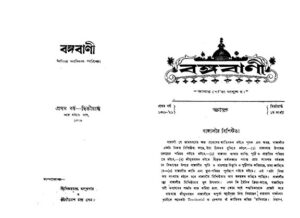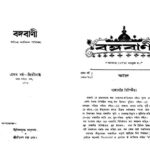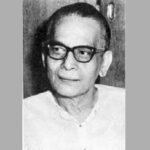

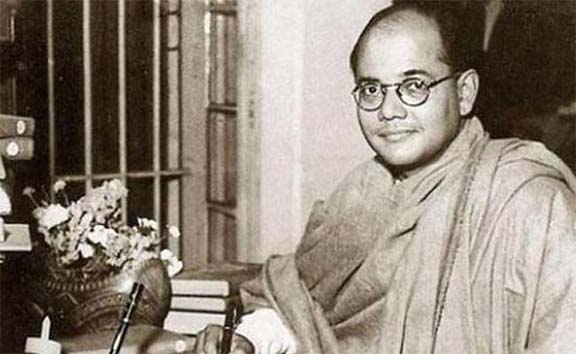
নেতাজী সুভাষচন্দ্র বসু দেশকে, মাতৃভূমিকে, নিজের মা মনে করতেন। তিনি ছোটবেলা থেকেই বিশ্বাস করতেন যে “জননী জন্মভূমিশ্চ স্বর্গাদপি গরীয়সী” এবং দেশমাতা তাঁর নিজের মাতৃসমান। এই বোধ বা বিশ্বাস তাঁর মনে কোথা থেকে জন্মেছিল তা এই প্রজন্মের যারা জানেন না, তাদের বোঝাতে নীচে ঋষি বঙ্কিমচন্দ্র চট্টোপাধ্যায়ের ‘আনন্দমঠ’-এর কিয়দংশ উদ্ধৃত হ’ল।
[ধনী মহেন্দ্র ও সন্ন্যাসী ভবানন্দ]
মহেন্দ্র কথা কহিল না। তখন ভবানন্দ নিরুপায় হইয়া আপন মনে গীত আরম্ভ করিলেন –
“বন্দে মাতরম্
সুজলাং সুফলাং মলয়জ শীতলাং শস্যশ্যামলাং মাতরম্ ”
মহেন্দ্র গীত শুনিয়া কিছু বুঝিতে পারিল না — সুজলা সুফলা মলয়জ শীতলা মাতা কে, জিজ্ঞাসা করিল, “মাতা কে?”
উত্তর না করিয়া ভবানন্দ গাহিতে লাগিলেন —
“শুভ্র জ্যোৎস্না পুলকিত যামিনীম্
ফুল্ল কুসুমিত দ্রুমদল শোভিনীম্
সুহাসিনীং সুমধুর ভাষিণীম্
সুখদাং বরদাং মাতরম্।”
মহেন্দ্র বলিল, “এ ত দেশ, এ ত মা নয়।”
ভবানন্দ বলিলেন, “আমরা অন্য মা মানি না — জননী জন্মভূমিশ্চ স্বর্গাদপি গরীয়সী। আমরা বলি, জন্মভূমি জননী, আমাদের মা নাই, বাপ নাই, ভাই নাই, বন্ধু নাই — স্ত্রী নাই, পুত্র নাই, ঘর নাই, বাড়ী নাই, আমাদের আছে কেবল সেই সুজলা, সুফলা, মলয়জ সমীরণ শীতলা, শস্য শ্যামলা।”
তখন বুঝিয়া মহেন্দ্র বলিলেন, “তবে আবার গাও।” ভবানন্দ আবার গাইলেন … (সমগ্র গীতটি)। মহেন্দ্র দেখিল, দস্যু গায়িতে গায়িতে কাঁদিতে লাগিল।
মহেন্দ্র তখন সবিস্ময়ে জিজ্ঞাসা করিল, ‘তোমরা কারা?’
ভবানন্দ বলিল, “আমরা সন্তান।”
মহেন্দ্র। সন্তান কি? কার সন্তান?
ভবানন্দ। মায়ের সন্তান।
মহেন্দ্র। ভাল, সন্তানে কি চুরি ডাকাতি করিয়া মায়ের পূজা করে? সে কেমন মাতৃভক্তি?
ভবানন্দ। আমরা চুরি-ডাকাতি করি না।
মহেন্দ্র। এই ত গাড়ী লুঠিলে।
ভবানন্দ। সে কি চুরি ডাকাতি? কার টাকা লুঠিলাম?
মহেন্দ্র। কেন, রাজার?
ভবানন্দ। রাজার? এই যে টাকাগুলি সে লইবে, এ টাকায় তার কি অধিকার?
মহেন্দ্র। রাজার রাজভাগ।
ভবানন্দ। যে রাজা রাজ্য পালন করে না, সে আবার রাজা কি?
মহেন্দ্র। তোমরা সিপাহীর তোপের মুখে কোন্ দিন উড়িয়া যাইবে দেখিতেছি।
ভবানন্দ। অনেক শালা সিপাহী দেখিয়াছি – আজিও দেখিলাম।
মহেন্দ্র। ভাল করে দেখ নি, একদিন দেখিবে।
ভবানন্দ। না হয় দেখলাম, একবার বই ত দুবার মরব না।
[আনন্দমঠ, বঙ্গীয় সাহিত্য-পরিষদ সংস্করণ, ২২-২৪ পৃষ্ঠা ]
ঐতিহাসিক রমেশচন্দ্র মজুমদার তাঁর “বাংলা দেশের ইতিহাস আধুনিক যুগ (মুক্তি সংগ্রাম) বইয়ে (যেখান থেকে এই অংশটা নেওয়া হয়েছে) লিখেছেন, “এই কথোপকথন পুরাপুরি পড়লে বুঝা যাইবে — বাংলার বিপ্লববাদীদের উপর আনন্দমঠের প্রভাব কতটা ছিল।”
ENGLISH TRANSLATION
Subhas Chandra Bose and his Motherland
Netaji Subhas Chandra Bose considered the nation, his motherland, as his own mother. He believed from childhood in the hemistich: “Janani Janmabhoomischa Swargadapi Gariyasi” [mother and motherland are superior even to heaven] and he equated Deshamatrikaa or his Motherland with his own mother. To explain to those young friends of the current generation who might not be knowing where from such feeling or belief originated in his mind, below is an excerpt from Rishi Bankimchandra Chattopadhyay’s ‘Ananda Math’.
[Wealthy Mahendra and Sannyasi (Hermit) Bhavananda]
Mahendra did not utter a word. Then Bhavananda – just to break the silence – started singing on his own:
“Bande Mataram
Sujalang Sufalang Malayaja-sheetolang Shashyashyamalang Mataram”
Mahendra wondered, listening to the song he, however, could not understand anything, he queried, ‘Sujala Sufala Malayaja Sheetala, “who is Mata [Mother]?”
Without answering, Bhavananda continued to sing:
“Shuvro Jyotsna Pulakito Jaminim
Phullo Kusumito Drumadalo Shovineem
Suhasining Sumadhuro Bhashineem
Sukhdang Baradang Mataram.”
Mahendra said: “This is the country, this is not the mother.”
Bhavananda said: “We don’t believe in other mothers – Janani Janmabhumischa Swargadapi Gariyasi. We believe that Janmabhoomi is Janani [the Mother]; we have no (separate) mother, no father, no brother, no friend – no wife, no son, no home, no house; we only have that Sujala, Sufala, Malayaja Sameeran Sheetala, Shasya Shyamala.”
Then Mahendra understood and said, “Then, please sing again.” Bhavananda sang once again … (the entire song). Mahendra noticed that the bandit began to cry while singing.
Mahendra then asked in surprise, ‘Who are you people?’
Bhavananda said, “We are the Santans (children).”
Mahendra: What is Santan (the child)? Whose Santans (children) are you?
Bhavananda: Mother’s Santan (child).
Mahendra: Well, do the children steal or commit robbery to worship their mother? What type of devotion to the Mother is that?
Bhavananda: We do not commit dacoity.
Mahendra: You robbed the carriage sometime back.
Bhavananda: Was that dacoity or robbery? Whose money did we loot?
Mahendra: Why, the King’s?
Bhavananda: King’s? That money he wanted to take, what right does he have on that money?
Mahendra: It is the King’s portion (tax).
Bhavananda: The king who does not perform his duties, how can he claim to be the king?
Mahendra: Someday, I am afraid, you would be wiped out by the Sepoy’s cannonball.
Bhavananda: I have seen many scoundrel Sepoys — I saw today too.
Mahendra: You have not seen their might that well, you shall see that someday.
Bhavananda: May be I shall see; but so what? I will not die twice but only once.
[The Bengali version of the above text is excerpted from ‘Anandamath’, Bangiya Sahitya-Parishad Edition, pp. 22-24]
Historian Rameshchandra Majumdar in his book titled “Bangla Desher Itihas: Aadhunik Yug (Mukti Sangram)” (from which the above is actually excerpted) wrote, “This dialogue in its entirety will make one understand — how much influence Ananda Math had on the revolutionaries of Bengal.”