
সুভাষ চন্দ্র বসুর পত্রের প্রেক্ষিতে কবিগুরু রবীন্দ্রনাথ ঠাকুরের আগস্ট ১৯৩৪-এর উত্তর।
অনেকেরই মনে হতে পারে যে আমাদের মত কিছু নেতাজী-অনুরাগীরা স্বাধীনতা সংগ্রামে গান্ধীজীর অবদানের স্বীকৃতি স্বীকার করি না। একথা একেবারেই সত্য নয়।
সুভাষচন্দ্র বসু তাঁর “দী ইন্ডিয়ান স্ট্রাগল” বইতেও গান্ধীজীর ভূয়সী প্রশংসা করেছেন, কিন্তু তা সত্ত্বেও তিনি বলেছেন যে গান্ধীজীর দ্বারা ভারতবর্ষের স্বাধীনতা লাভ সম্ভব হবে না। কারণগুলোও স্পষ্ট ভাষায় জানিয়ে গেছেন তিনি এবং সেগুলোর সাথে সবাই একমত হতে বাধ্য।
গান্ধীজীর মধ্যে সেরকম উদারতার খুবই অভাব ছিল। তিনি সুভাষচন্দ্র বসুর মধ্যে তেমন কিছু গুণ দেখতে পান নি যতদিন পর্যন্ত সুভাষচন্দ্র দেশে ছিলেন। এমনকী তাঁর জীবনের শেষ দিন পর্যন্ত বলে গেছেন যে ‘সুভাষচন্দ্র বসু বিপথগামী ছিলেন’। দেশে শুরু থেকেই সাম্প্রদায়িক দাঙ্গা চলছিল যা ভারতবর্ষে তাঁর আগমনের পর সারা রাজনৈতিক জীবন চেষ্টা করেও গান্ধীজী বন্ধ করতে পারেননি, বরঞ্চ, খিলাফত আন্দোলনে তাঁর ভূমিকার জন্য এই দাঙ্গা পক্ষান্তরে প্রশ্রয় পেয়েছিল। শেষে যখন ১৯৪৬ – ১৯৪৭ সালে দাঙ্গার মাত্রা বৃদ্ধি পায়, তখন তিনি ‘আই-এন-এ’ তে যে সাম্প্রদায়িক সৌহৃদ্য ছিল তাঁর প্রশংসা করেছেন কিন্তু সেই একই বিশেষণ জুড়ে দিয়ে যে সুভাষচন্দ্র ও আই-এন-এ ছিল misguided বা বিপথগামী।
আমরা জানি যে গান্ধীজী ছিলেন অহিংস ভাবে ইংরেজের বিবেককে আঘাত করে বদলে দিয়ে স্বায়ত্তশাসন লাভের প্রত্যাশী। তিনি সম্পূর্ণ স্বাধীনতার পক্ষে ছিলেন না। তিনি বার বার আন্দোলন স্থগিত করেছেন। দ্বিতীয় বিশ্বযুদ্ধের সময় তিনি ব্রিটেনের দুঃখে কাতর ছিলেন। পরে যখন দেশের মানুষের মন বুঝতে পারেন, তখন তিনি ‘ভারত ছাড়’ আন্দোলনের ডাক দিয়ে পরদিন ইংরেজের আতিথ্য গ্রহণ করেন। এছাড়া তিনি একনায়কতান্ত্রিক ছিলেন। এমনকী ব্রিটেন যখন ক্ষমতা হস্তান্তর করে চলে যাবে তখনও তিনিই প্রথম চেয়েছিলেন যে মাউন্টব্যাটেন যেন গভর্নর জেনারেল হয়ে থেকে যান। তিনি চেয়েছিলেন যে ভারতবর্ষের জাতীয় পতাকার এক কোনায় যেন ব্রিটেনের ‘ইউনিয়ন জ্যাক’ পতাকার ক্ষুদ্র প্রতিরূপ থাকে। তাছাড়া তিনি নিজেকে সত্যের পূজারী বলে জাহির করতেন এবং নিজেকে দেশভাগের বিপক্ষে বলে বেড়াতেন। তিনি বলেছিলেন যে দেশভাগ তাঁর মৃতদেহের উপর দিয়ে হবে। সত্যবাদী গান্ধী মহাশয় সেই সত্য পালন করতে অসমর্থ হয়েছেন। তাছাড়া গান্ধীজী জানতেন যে তাঁর অসহযোগ আন্দোলন অসফল হয়েছে, দেশকে তিনি অহিংসার মন্ত্রে দীক্ষিত করতে পারেন নি। এসব কথা তিনি নিজমুখে কবুলও করে গেছেন। শেষ দিকে তাঁর মত চতুর ও ধুরন্ধর মানুষ এটা বেশ বুঝতে পেরেছিলেন যে ইংরেজ তাঁর অহিংস আন্দোলনের জন্য চলে যাচ্ছে না, বরঞ্চ আই-এন-এর বীরত্বের কারণে দেশে ১৯৪৫ এর শেষদিকে এবং ১৯৪৬ সালে যে নবজোয়ার এসেছে, ভারতীয় সেনাদের মধ্যে যে বিদ্রোহ দেখা দিয়েছে, তারই ভয়ে চলে যেতে বাধ্য হচ্ছে।
এক ভাণ্ড গোদুগ্ধে যদি এক ফোঁটাও গো’চনা বা গোমূত্র পরে, তবে যেমন পুরো দুধটাই নষ্ট হয়ে যায়, ঠিক তেমনি গান্ধী-মহারাজের বহু দেশবিরোধী কাজের জন্য, বিশেষত: তাঁর নেতাজী সুভাষচন্দ্র বসু এবং আই-এন-এর কৃতিত্ব আত্মসাৎ করার জন্য, গান্ধীজীর দেশবাসীকে একত্রিত করার প্রয়াস, ইত্যাদি পূর্ব কীর্তি বহুলাংশে খর্ব হয়েছে। এছাড়াও তাঁর যথার্থ রূপ এতদিন পর দেশবাসীর সম্মুখে আস্তে আস্তে উন্মুক্ত হচ্ছে। আশা করা যায় অদূর ভবিষ্যতে গান্ধীজীর যথাযথ মূল্যায়ন এদেশে হবে।
যাই হোক, গতকাল নেতাজীর ৩রা অগাস্ট ১৯৩৪ তারিখে কবিগুরু রবীন্দ্রনাথকে লেখা একটা চিঠি পোস্ট করা হয়েছিল এবং বলা হয়েছিল যে রবীন্দ্রনাথ সেই চিঠির উত্তরে সুভাষচন্দ্র বসুর অনুরোধ রাখতে পারবেন না বলে প্রত্যুত্তর দিয়েছিলেন।
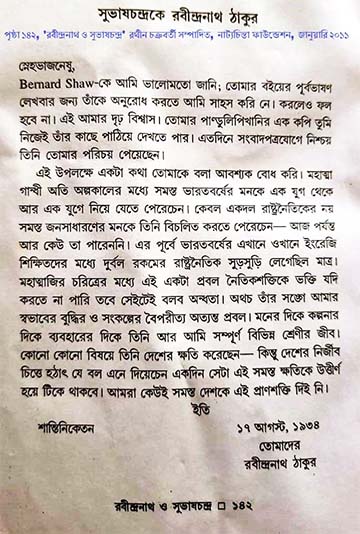
আজ রবীন্দ্রনাথ ঠাকুরের ১৭ই আগস্ট ১৯৩৪ তারিখে লেখা সেই চিঠিটা পোস্ট করা হল। এই চিঠিতে রবীন্দ্রনাথ গান্ধীজীর ভূয়সী প্রশংসা করেছেন। তবে এই চিঠি পড়ার সময় অনেক কথার মধ্যে নীচের কথাগুলো অন্তত মনে রাখতে হবে : —
১) চিঠিটা ১৭ই আগস্ট ১৯৩৪ তারিখে লেখা,
২) রবীন্দ্রনাথের প্রতি সুভাষচন্দ্রের একটা অভিযোগের উত্তরে লেখা,
৩) এই চিঠিতেও রবীন্দ্রনাথ স্বীকার করেছেন যে গান্ধীজী কিছু কিছু বিষয়ে দেশের ক্ষতি করেছেন,
৪) পরে, ১৯৩৮ সাল থেকে রবীন্দ্রনাথ গান্ধীজীর তুলনায় সুভাষচন্দ্র বসুর প্রতি বেশী অনুরক্ত হয়ে পড়েন,
৫) তথাপি রবীন্দ্রনাথ অন্তিম সময় পর্যন্ত জানতেন যে গান্ধীজী তাঁর অন্ধবিশ্বাসী চেলা চামুণ্ডারা মিলে সুভাষচন্দ্র থেকে সংখ্যায় বহুগুণে বেশী। যেহেতু কবিগুরু তাঁর শান্তিনিকেতনকে খুবই ভালোবাসতেন, তিনি জানতেন যে এই প্রতিষ্ঠানের কল্যাণের জন্য গান্ধীর সাথে সৌহার্দ্য বজায় রাখা একান্ত জরুরি।
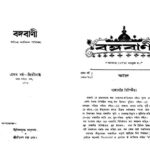
এবার আমি আপনাদের নীচে সংযোজিত সুভাষচন্দ্র কে লেখা কবিগুরু রবীন্দ্রনাথ ঠাকুরের ১৭ই আগস্ট ১৯৩৪ তারিখে লেখা মূল বাংলা উত্তরটা পড়ে দেখতে অনুরোধ করবো।
POET RABINDRANATH TAGORE’S REPLY TO SUBHAS CHANDRA BOSE’S LETTER IN AUGUST 1934.
Many people might think that some Netaji admirers like me do not recognise the contribution of Gandhiji in the freedom struggle of India. This is not at all true.
Subhas Chandra Bose in his book “The Indian Struggle” also praised Gandhiji a lot, but nevertheless he pronounced that India’s independence could not be achieved by Gandhiji. He had given the reasons in clear terms, and everyone had to agree with them because of the incisive and irrefutable arguments he had put forward.
Such generosity was sorely lacking in Gandhiji. He did not see any quality in Subhas Chandra Bose as long as Subhas Chandra was in India. Even till the last day of his life Gandhiji said that ‘Subhas Chandra Bose was misguided’. Communal riots were prevalent in the country from the beginning which Gandhiji, after his arrival in India in 1915, failed to bring to an end, through his efforts throughout his political life. Instead, his role in the Khilafat movement only helped in increasing such riots. Finally, when the riots escalated in 1946–1947, he praised the communal harmony that the INA had demonstrated, but always adding the same adjective that Subhas Chandra Bose and his INA were misguided.
We know that Gandhiji wanted to win autonomy, non-violently, by trying to change the conscience of the British. He was not in favour of complete independence. He repeatedly suspended the civil disobedience movement. He empathized with the British for their country’s suffering during World War II. Later when he could read the mind of the common Indians, he gave the call for ‘Quit India’ and accepted the hospitality of the British Raj, the very next morning. Besides, he was a dictatorial person. He was the first person to request Lord Mountbatten to remain and serve India as our Governor General when Britain was about to hand over power. Gandhiji wanted to have a miniature replica of Britain’s ‘Union Jack’ in one corner of Dominion of India’s national flag. Moreover, he claimed to be a worshipper of truth and was apparently against partition. He said that the partition of the country would be over his dead body. Gandhiji, the apostle of truth, failed to live up to that solemn pledge. Moreover, Gandhiji knew that his non-cooperation movement had failed and that he could not initiate the country to his ‘mantra’ of non-violence. He had accepted these things himself. In the end, a clever and astute man like Gandhiji could very well realize that the British were not leaving India because of his non-violent movement, but rather for fear of the new wave of rebellion among the Indian public that had swept the country in late 1945 and 1946 due to the bravery of the INA and which also infiltrated among the British Indian Army. That actually forced the British Raj to leave India in such haste.
If a drop of cow-urine falls on a pot of cow-milk, the whole milk is spoiled. Similarly, Gandhi-Maharaj’s many such anti-national activities, especially his willing appropriation of the achievements of the INA and its Supreme Commander Netaji Subhas Chandra Bose, have now come to light for the countrymen. His earlier efforts to boost the spirit of the countrymen, etc. have thus been largely undermined and eroded. Also, his true form is slowly being revealed to the countrymen after such a long period. It is hoped that Gandhiji will be properly evaluated in this country in the near future.
Anyway, a letter written by Subhas Chandra Bose to Kabiguru Rabindranath Tagore dated 3rd August 1934 was posted yesterday and it was only informed therein that Rabindranath did reply to that letter but only expressing his inability to help Subhas Chandra Bose in that matter.
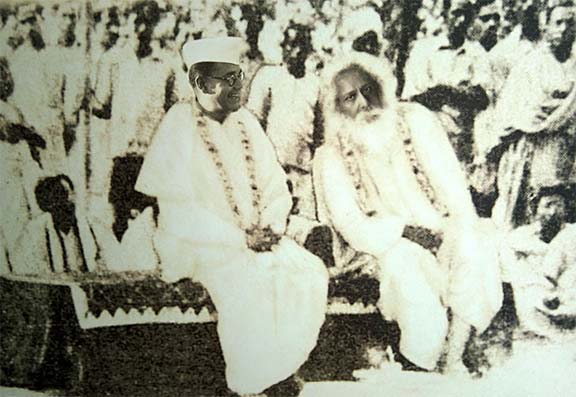
Today the reply letter written by Rabindranath Tagore on 17th August 1934 is being posted. The original letter is in Bengali and the text of the original letter is being posted as an attachment. An English translation of the Bengali text is however appended. The translation has been done by me. As one would note, in this letter, Rabindranath Tagore praised Gandhiji. But while perusing this letter of Rabindranath Tagore, many things, at least the following points should be kept in mind : —
1) The letter was written on 17th August 1934,
2) It was written in response to one of Subhash Chandra Bose’s complaints against Rabindranath,
3) In this letter Rabindranath had also admitted that Gandhiji had harmed the country in some respects,
4) Later, from 1938 onwards, Rabindranath became more attached to Subhash Chandra Bose than to Gandhiji,
5) Yet Rabindranath knew till the very end of his life that Gandhiji and his blind followers heavily outnumbered Subhas Chandra Bose. As Santiniketan was very dear to Kabiguru, he knew that maintaining cordial relationships with Gandhiji was essential for the welfare of his institution.
Now I would like to request you all to go through Tagore’s letter dated 17th August 1934 addressed to Subhas Chandra. I would like to urge those who can read Bengali to kindly read the original Bengali text and the non-Bengali knowing readers to go through the translated version below. Kindly remember that it is not possible for me to translate Tagore’s letter conveying the exact meaning he tried to transmit.
ENGLISH TRANSLATION OF RABINDRANATH TAGORE’S REPLY TO SUBHAS CHANDRA BOSE DATED AUGUST 17, 1934
“Affectionate,
“I know Bernard Shaw quite well; even then I dare not request him to write the Foreword of your book. Even if I do, it will not be fruitful. This is my firm belief. You may, yourself, try by sending a copy of your manuscript to him. By now he must have known you through newspapers.
“I feel it necessary to tell you something on this pretext. Mahatma Gandhi has been able to move the mind of the whole of India from one age to another in a very short period — no one else could do so till now. Prior to that, there arose only weak political tickles among the English educated people in some places in India. I would call it blindness if I fail to admire this strong moral force in the Mahatma’s character. Yet, the contrast of my nature, intelligence and analyses with him is immense. He and I belong to completely different classes of organisms so far as mentality, imagination and conduct are concerned. In some respects he has harmed the country. But the energy he has brought to the lifeless consciousness of the country will surpass all these damages. None of us could inject such vitality to the whole nation.
“ITI” [complimentary closing],
Shantiniketan
17 August 1934
Yours
“Rabindranath Tagore”