
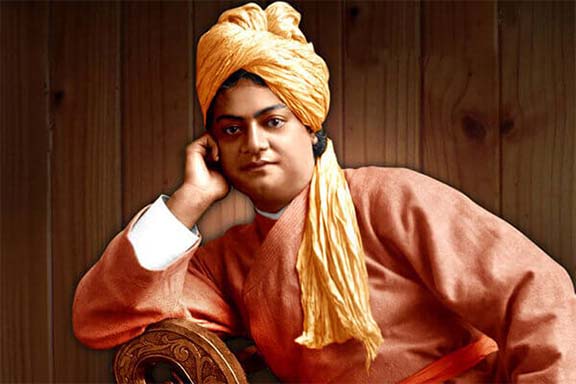
“স্বামীজী নিজেকে শ্রদ্ধা করতেন, শ্রদ্ধা করতেন নিজের দেশ ও জাতিকে। সঙ্গে সঙ্গে চাইতেন ভারতবর্ষের প্রতিটি মানুষই আত্মমর্যাদাবোধে প্রতিষ্ঠিত হোক।
“বিদেশে যাওয়ার আগের আর একটি ঘটনা। আবু রোড স্টেশনে গাড়িতে বসে আছেন স্বামীজী [ও মুন্সী জগমোহনলাল]। গাড়ি ছাড়তে তখনও দেরি। গাড়ির কম্পার্টমেন্টে বসেই তাঁর সঙ্গে গল্প করছেন তাঁর এক বাঙালি অনুরাগী। এমন সময় এক ইউরোপীয়ান টিকিট চেকার এসে সেই ভদ্রলোকটিকে নেমে যেতে বললেন। সেই ভদ্রলোকও রেলকর্মচারী। তিনি সাহেবকে বোঝাতে চেষ্টা করলেন যে তিনি নিয়মবিরুদ্ধ কিছু করেননি। সাহেব তা শুনতে চাইলেন না, ফলে দুজনের তর্ক বেধে গেল। তর্ক যখন বেড়ে উঠেছে তখন স্বামীজী মধ্যস্থতা করবার চেষ্টা করলেন। সাহেব ভেবেছিলেন, স্বামীজী সামান্য সন্ন্যাসী। তাই তিনি ধমক দিয়ে উঠলেন : ‘তুম্ কাহে বাত করতে হো?’ এবার স্বামীজী গর্জে উঠলেন : ‘তুম্’ বলছ কেন? ঠিকমতো ব্যবহার করতে জান না? তুমি ফার্স্ট ক্লাস আর সেকেণ্ড ক্লাসের প্যাসেঞ্জারদের দেখাশুনা করে থাক, আর লোকের সঙ্গে ব্যবহার করতে জান না? ‘আপ’ বলছ না কেন? বেগতিক দেখে সাহেব এবার ইংরেজিতে বললেন : দুঃখিত। আমি এই ভাষাটা ভাল জানি না। আমি শুধু এই লোকটাকে … (I only wanted this man…)। স্বামীজীর আর সহ্য হল না । কথা শেষ করতে না দিয়েই তিনি তীব্রকণ্ঠে বলে উঠলেন : তুমি এই বললে হিন্দি ভাষাটা ভাল জান না। এখন দেখছি তুমি তোমার নিজের ভাষাটাও ভাল জান না। ‘লোকটা’ বলছ কাকে? উনি একজন ‘ভদ্রলোক’ (Gentleman)। স্বামীজী সাহেবটিকে বললেন যে তাঁর এই দুর্ব্যবহারের কথা তিনি তাঁর উপরওয়ালাকে জানাবেন। ভয় পেয়ে সাহেবটি তখন সুড়-সুড় করে সরে পড়লেন। চারদিকে তখন ভিড় জমে গেছে।
“স্বামীজীর সঙ্গে ঐ বাঙালি ভদ্রলোক ছাড়াও ছিলেন মুন্সী জগমোহনলাল। সাহেব চলে গেলে পর জগমোহনলালের দিকে ফিরে স্বামীজী বললেন : ‘ইউরোপীয়দের সঙ্গে ব্যবহার করতে গেলে আমাদের কী চাই দেখেছ? এই আত্মসম্মানজ্ঞান। আমরা কে, কী দরের লোক না বুঝে ব্যবহার করাতেই লোকে আমাদের ঘাড়ে চড়তে চায়। অন্যের নিকট নিজেদের মর্যাদা বজায় রাখা চাই। তা না হলেই তারা আমাদের তুচ্ছ-তাচ্ছিল্য ও অপমান করে – এতে দুর্নীতির প্রশ্রয় দেওয়া হয়। শিক্ষা ও সভ্যতায় হিন্দুরা জগতের কোনও জাতির চেয়ে হীন নয়, কিন্তু তারা নিজেদের হীন মনে করে বলেই একটা সামান্য বিদেশিও আমাদের লাথি ঝাঁটা মারে – – আর আমরা চুপ করে তা হজম করি।’
“ভারতবর্ষের মানুষকে স্বামীজী শিখিয়েছিলেন নিজের দেশ ও সংস্কৃতিকে কীভাবে শ্রদ্ধা করতে হয়। বিদেশে পাশ্চাত্য সভ্যতার বৈভবের মুখোমুখি দাঁড়িয়ে তাঁর মনে কোনও হীনম্মন্যতার বোধ জেগে ওঠেনি। কারণ তিনি অনুভব করেছিলেন, জগতের জন্য পাশ্চাত্যের জড়সভ্যতার চেয়ে ভারতের অধ্যাত্মসভ্যতার প্রয়োজন কোনও অংশে কম নয় বরং বেশিই। তাই ভারতীয় সংস্কৃতি ও ঐতিহ্যের মহিমা তিনি ঘোষণা করেছেন সগর্বে, উচ্চৈঃস্বরে, দৃঢ়প্রত্যয়ের সঙ্গে। তাঁর ঐ দৃঢ়প্রত্যয় এবং সাহসী মনোভাবের জন্যেই পাশ্চাত্যের হাজার হাজার মানুষ ভারত ও ভারতীয় সভ্যতার প্রতি শ্রদ্ধাশীল হয়ে উঠেছিল।”
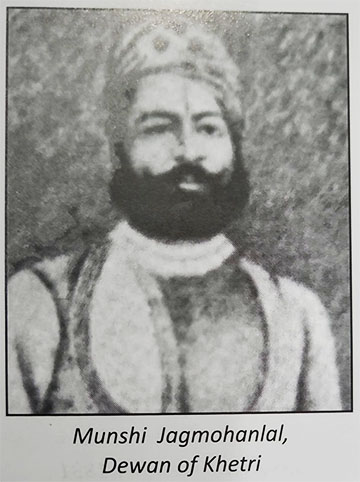
বিশেষ দ্রষ্টব্য : মুন্সী জগমোহনলালজী ছিলেন খেতড়ি-রাজের প্রাইভেট সেক্রেটারি।
আকরগ্রন্থ : “সবার স্বামীজী : স্বামী বিবেকানন্দের জীবনের ঘটনা ও বাণীর সংকলন”, রামকৃষ্ণ মিশন ইনস্টিটিউট অব কালচার, গোল পার্ক, কলকাতা ৭০০ ০২৯, বাহান্নতম মুদ্রণ, এপ্রিল ২০১৭ (প্রথম প্রকাশ : ১২ জানুয়ারি ১৯৮৮)।।
সংকলক : উৎপল আইচ
SWAMI VIVEKANANDA’S SENSE OF SELF-RESPECT
“Swamiji had a deep sense of self-respect and also wanted all Indians to be equally conscious of their self-respect. The following incident prior to his journey to the West will illustrate this point.
“Swamiji and Jagmohanlal were sitting inside a railway coach at the Abu Road station, waiting for the train to leave for Bombay. A Bengali admirer of Swamiji who came to see them off was also in the compartment. In the mean time, a European ticket-collector came and harshly ordered the gentleman out of the train. The gentleman was also a railway employee. He tried to convince the ticket-collector that he had done nothing unlawful. But the ticket-collector would not listen to him. As a result there was a heated argument when Swamiji himself intervened. But the European, taking him to be an ordinary monk, said in an insolent manner, ‘Tum kahe bat karte ho?’ — ‘Why do you interfere?’
The Hindi word ‘tum’ is used to address intimate friends or inferiors while the word ‘ap’ denotes either equals or superiors. The disparaging ‘tum’ angered Swamiji. He said, ‘What do you mean by Tum? Can you not behave properly? You are attending to first and second-class passengers, and you do not know manners! Why do you not say Ap?’ Realizing his mistake, the ticket-collector said, ‘I am sorry. I don’t know the language well. I only wanted this man…’. Swamiji interrupted him: ‘Just now you said you did not know Hindi well. Now I see that you do not even know your own language well. This “man” of whom you speak is a “gentleman”.’ Swamiji then told the European that he would report his disrespectful actions to the authorities. Quite frightened, the ticket-collector hurriedly left the compartment.
“No sooner had the ticket-collector left than Swamiji turned to Jagmohanlal and said: You see, what we need in our dealings with the Europeans is self-respect. We should always remain as conscious of our rank and station as others do. Unfortunately we fail to do so and this failure prompts others to disparage us. We must defend our self-esteem by all means, otherwise we will be slighted and insulted. Mind you, cowardice is the breeding ground of all corruption, of all evils. The Hindus are no less civilized than anybody else on earth, but they always underestimate themselves. That is why every Tom, Dick and Harry dare to humiliate us, and we stomach the insult silently.”
“Thus Swamiji taught Indians how to love and respect their country. He was fully confident that the world needed Indian spiritual treasures much more than it needed Western materialism. And this conviction never allowed him to be dazzled by the sparkling affluence of Western civilization, not did it let him suffer for a moment from any inferiority complex. It was again out of that unshakeable conviction that he proclaimed the glory of Indian civilization and culture. There can be no doubt that his courage and the strength of his conviction inspired thousands of people in the West to love India and its civilization.”
NOTE : Munshi Jagmohanlal-ji was the Private Secretary of the Raja of Khetri.
SOURCE : ‘SWAMI VIVEKANANDA : FRIEND OF ALL’ published by Swami Lokeswarananda, Secretary, The Ramakrishna Mission Institute of Culture, Gol Park, Calcutta 700 029, Fifth Impression: October 1992
Compiler : Utpal Aich
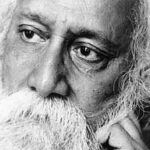
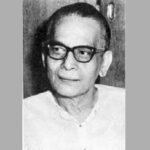
The photograph of Munshi Jagmohanlal-ji has been taken from the book “Chronological Account of the Events of the Parivrajaka Life of Swami Vivekananda (July 1890 – May 1893)” by Dr. Shyamali Chowdhury, The Ramakrishna Mission Institute of Culture, Kolkata, Second Print : May 2023.
মুন্সী জগমোহনলাল-জীর ছবিটা ডক্টর শ্যামলী চৌধুরীর বই “ক্রোণলোজিক্যেল এ্যাকাউন্ট অব দী ইভেন্টস ইন দ্যা পরিব্রাজক লাইফ অব স্বামী বিবেকানন্দ (জুলাই ১৮৯০ – মে ১৮৯৩)” থেকে নেওয়া হয়েছে। বইটার প্রকাশক: রামকৃষ্ণ মিশন ইনস্টিটিউট অফ কালচার, কলকাতা। সংকলকের কাছে বইটার যে সংস্করণ আছে, সেটা দ্বিতীয় প্রিন্ট: মে ২০২৩ এর।