
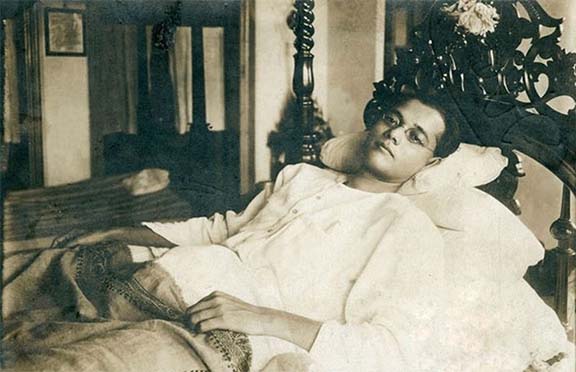
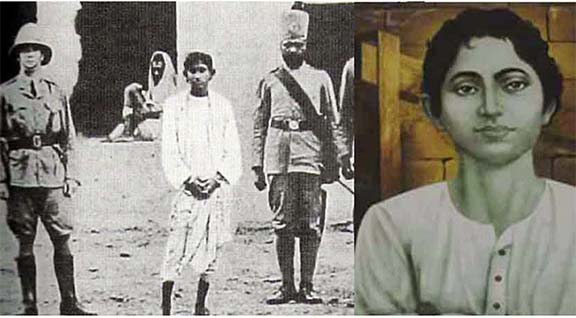
“সেদিন ছিল — ১৯১১ সালের ১১ই আগষ্ট — ক্ষুদিরামের ফাঁসির দ্বিতীয় বাৎসরিক অনুষ্ঠানের দিন। সুভাষচন্দ্র ছাত্রদের কাছে উপবাস করে এই দিনটি পালন করবার প্রস্তাব দিলেন। তাঁর প্রস্তাবে সব ছাত্রই রাজী হ’ল। রাভেন-স কলেজ ও স্কুল হোষ্টেলে সকলে এই পুণ্য দিনটি সুভাষচন্দ্রের নেতৃত্বে উপবাসে কাটালেন। কিশোর সুভাষচন্দ্রের মধ্যে এই প্রথম নেতৃত্বের অঙ্কুর দেখা দিল। সেদিন কোন হোষ্টেলে উনান জ্বলল না। হাঁড়ি চড়ল না। সুতরাং রান্নাও হ’ল না।
“বেণীমাধব দাস দেখলেন তাঁর ছাত্রদের অন্তরে যে আগুন তিনি জ্বেলে দিয়েছেন তা বেশ জ্বলতে আরম্ভ করেছে। তিনি ছেলেদের একটা কথাও বললেন না। শুধু নীরবে, মুখের হাসিতে তাদের উৎসাহ দিলেন। তাঁর মন প্রাণ আনন্দে উৎফুল্ল হ’য়ে উঠল।
“সমস্ত ছেলেরা সারাদিন উপবাসে থেকে ক্ষুদিরামের ফাঁসির দিনটি পালন করল প্রধান শিক্ষক বেণীবাবু ছেলেদের নিষেধও করেন নি বা নিবারণও করেন নি — এই সংবাদটি সেখানকার ডিভিসনাল কমিশনারের কাছে প্রকাশ করে দিলেন কলেজের একজন অধ্যাপক। হয়ত স্বভাববশতঃই, না হয়, নিজের উন্নতির পথ পরিষ্কার করবার জন্য তিনি এটা করলেন।
“আগুন জ্বলে উঠল। ম্যাজিস্ট্রেট এ বিষয়ে অনুসন্ধান করলেন। ফলে বেণীবাবু কটক থেকে একেবারে কৃষ্ণনগর কলেজিয়েট স্কুলে বদলী হলেন। বেণীবাবু নিশ্চিন্ত মনে দেখে গেলেন দিনের পর দিন ছাত্রদের অন্তরে তিনি যে দেশপ্রেমের ফুল ফুটিয়ে তুলতে চেয়েছিলেন তার অঙ্কুর। তিনি নিশ্চিন্ত মনে হাসি মুখে কটক থেকে বিদায় নিয়ে গেলেন।
“কটক স্টেশনে সেদিন ছাত্ররা বেণীবাবুকে বিদায় দেবার জন্য দলে দলে উপস্থিত হ’ল। সুভাষচন্দ্র বেণীবাবুর গলায় ফুলের মালা পরিয়ে দিয়ে তাঁর পায়ের ধূলো মাথায় তুলে নিলেন। বেণীবাবুও সুভাষচন্দ্রকে এই বলে আশীর্বাদ করলেন — সুভাষ, তুমি যেন একজন মানুষের মত মানুষ হয়ে উঠতে পার, ভগবানের কাছে এই প্রার্থনা করি।
“বেণীবাবুর পায়ের ধূলো নেবার জন্য ছেলেদের মধ্যে হুড়োহুড়ি পড়ে গেল। বেণীবাবুও প্রত্যেকের মাথায় হাত দিয়ে আশীর্বাদ করতে লাগলেন।
“ধীরে ধীরে ট্রেন চলতে শুরু করল। বেণীবাবু ট্রেনের দরজায় দাঁড়িয়ে আছেন। ছেলেরা সকলে হাত জোড় করে তাঁকে নমস্কার জানাল।
“দেখা গেল বেণীবাবুর চোখে জলের ধারা বইছে আর সুভাষচন্দ্রের চোখ দিয়ে ছিন্নসূত্র মুক্তামালার মত একটি একটি করে মুক্তা যেন ঝরে পড়ছে। অনেকের চোখ সেদিন শুষ্ক ছিল না।”
[উপরের অংশটি শ্রীসুবোধচন্দ্র গঙ্গোপাধ্যায় রচিত ‘সুভাষচন্দ্রের ছাত্রজীবন’ গ্রন্থ থেকে উদ্ধৃত করা হল। সুবোধচন্দ্র গঙ্গোপাধ্যায় মহাশয় এই পুস্তিকা তাঁর আত্মীয় — সুভাষচন্দ্র বসুর বাল্যবন্ধু, সহপাঠী এবং প্রতিবেশী — শ্রীচারুচন্দ্র গঙ্গোপাধ্যায়ের মুখে তাঁদের ছাত্রজীবনের ঘটনাবলি শুনে রচনা করেছিলেন। পুরানো বানান যথাসম্ভব অপরিবর্তিত রাখা হয়েছে।]
সুভাষচন্দ্র বসুর দেশপ্রেম এবং তাঁর দেশপ্রেমের সাথে দেশের অন্যান্য কিছু নেতৃবৃন্দের তুলনা
সুভাষচন্দ্র বসুর দেশপ্রেম আমরা আরও যথাযথভাবে উপলব্ধি করতে পারবো যদি তাঁর সমসাময়িক কংগ্রেসের সহকর্মী ও নেতৃবৃন্দের দেশপ্রেমের সাথে তা তুলনা করে দেখতে পারি।
দুর্ভাগ্যবশত, সুভাষচন্দ্র বসুর সময়কার ভারতীয় জাতীয় কংগ্রেসের অধিকাংশ নেতাই ছিলেন তাঁর থেকে বেশ কিছু বছরের বয়োজ্যেষ্ঠ। শ্রী মোহনদাস করমচাঁদ গান্ধী (গান্ধীজি) ছিলেন বয়সে সুভাষ চন্দ্র বসুর থেকে ২৭ বছরের বেশি বড় এবং শ্রী জওহরলাল নেহেরু ছিলেন সুভাষ চন্দ্র থেকে ৭ বছরেরও বেশি বয়োজ্যেষ্ঠ। জওহরলাল নেহেরু অবশ্য ছিলেন শুধুমাত্র গান্ধীজির একজন পার্শ্বচর। শুরুতে অবশ্য জওহরলালের দৃষ্টিভঙ্গি ছিল গান্ধীজীর থেকে বেশ আলাদা এবং কিছুটা উগ্র প্রকৃতির। কিন্তু তা সত্ত্বেও গান্ধীজির বিরোধিতা করার মত সাহস তাঁর একেবারেই ছিল না। পরবর্তিতে তিনি খুব চতুরতার সাথে তাঁর নিজের বিবেকের বিরুদ্ধে গিয়েই বোধহয় স্বার্থের খাতিরে গান্ধীজির পূর্ণ সমর্থক হয়ে গিয়েছিলেন এবং এর ফলস্বরূপ ১৯৪২ সালের জানুয়ারিতে গান্ধীজি জওহরলালকে তাঁর উত্তরসূরি হিসেবে ঘোষণা করে দিয়ে জহরলালকে পুরস্কৃত করেন। যাইহোক, যেহেতু জওহরলাল নেহেরু শেষ পর্যন্ত তাঁর নেতা গান্ধীজির দাক্ষিণ্যে অগণতান্ত্রিকভাবে খণ্ডিত ভারত অধিরাজ্যের (Dominion of India-র) প্রথম প্রধানমন্ত্রী হয়েছিলেন, ১৯১১ সালে তাঁর কর্মকাণ্ডের বিশ্লেষণ করাও আমাদের আলোচনার বিষয় হতে পারে। আসুন আমরা দেখতে চেষ্টা করি যে ১৯১১ সালের আগস্টের ১১ তারিখ যখন ১৪-বছর বয়সী সুভাষচন্দ্র বসু শহীদ ক্ষুদিরামের স্মৃতিতে নিজ স্কুলে একটি অনশন সমাবেশের নেতৃত্ব দিচ্ছিলেন, সেদিন বা সে সময় এই দুই তথাকথিত তাবড় তাবড় কংগ্রেস নেতা কী করছিলেন।
গান্ধীজির কার্যকলাপ
গান্ধীজির কর্মকাণ্ড আরও বিস্তৃত বর্ণনার দাবি রাখে। শ্রী এম.কে. গান্ধী লন্ডনের ইনার টেম্পল থেকে ব্যারিস্টার হওয়ার পর ১৮৯১ সালের জুন মাসে ভারতে ফিরে আসেন। তবে তিনি ভারতে আইনজীবী হিসেবে জীবিকা অর্জনে ব্যর্থ হন। এমনকি তিনি বোম্বাইয়ের একটি স্কুলে ইংরেজি শিক্ষকের চাকরির জন্য যে আবেদন করেছিলেন, স্নাতক না হওয়ায় জন্য সেই চাকরিতে তিনি প্রত্যাখ্যাত হয়েছিলেন। তিনি যে ব্যারিস্টারি পরীক্ষায় উত্তীর্ণ হয়েছিলেন, তাতে এ ব্যাপারে কোনও লাভ হয়নি। গান্ধীজি নিজেই স্বীকার করেছিলেন যে ‘বার’ বা ব্যারিস্টারি অধ্যয়নের পাঠ্যক্রম সহজ ছিল এবং সবাই জানত যে সেই পরীক্ষার কার্যত কোনও মূল্যই নেই। এরপর ১৮৯৩ সালের এপ্রিল মাসে তিনি দক্ষিণ আফ্রিকার উদ্দেশ্যে যাত্রা করেন। তাঁর নিজের স্বীকারোক্তি অনুযায়ী, “আমি দক্ষিণ আফ্রিকা গিয়েছিলাম ভ্রমণের জন্য, কাথিয়াওয়াড় ষড়যন্ত্র থেকে রক্ষা পেতে এবং নিজের জীবিকা অর্জনের জন্য।” ১৮৯৯ এর শেষের দিকে বোয়ার যুদ্ধে তিনি ব্রিটিশদের পক্ষে একটি ‘অ্যাম্বুলেন্স কর্পস’ গঠন করেন এবং যুদ্ধের ময়দান থেকে আহতদের স্ট্রেচারে করে নিয়ে আসার জন্য স্বেচ্ছাসেবী হিসেবে অন্যান্য ভারতীয়দের সাথে অংশগ্রহণ করেছিলেন। ছয় সপ্তাহের সেবার পর কর্পসটি ভেঙে দেওয়া হয়েছিল। যুদ্ধের দায়িত্ব থেকে মুক্তি পেয়ে, তিনি অনুভব করেছিলেন যে দক্ষিণ আফ্রিকায় তাঁর কর্মকাণ্ড শেষ হয়ে গেছে এবং তাঁর ভারতে ফিরে যাওয়া উচিত কারণ তিনি তার জন্মভূমি ভারতে আরও বেশি জনহিতকর কার্য করতে পারবেন।
তাই গান্ধীজি দক্ষিণ আফ্রিকাকে বিদায় জানিয়ে ১৯০১ সালের অক্টোবরের তৃতীয় সপ্তাহে ভারতের উদ্দেশ্যে রওনা হন। ভারতে ১৯০১ সালের ডিসেম্বরের শেষের দিকে কলকাতায় ভারতীয় জাতীয় কংগ্রেসের বার্ষিক অধিবেশনে তিনি যোগদান করেছিলেন যে সভার সভাপতিত্ব করেছিলেন মিঃ দিনশ’ ওয়াচা এবং এতে উপস্থিত ছিলেন কংগ্রেসের তৎকালীন নেতারা যেমন লোকমান্য তিলক, স্যার ফিরোজশাহ মেহেতা, শ্রী গোপালকৃষ্ণ গোখলে প্রমুখ। শ্রী গোখলে মোহনদাস গান্ধীকে বোম্বেতে স্থায়ী হতে এবং সেখানে কোর্টে প্রাকটিস করতে এবং একই সাথে তাঁকে জনকল্যাণমূলক কাজে সাহায্য করতে বলেছিলেন। গান্ধীজি বোম্বেতে পূর্বে ব্যর্থ হয়েছিলেন বলে সেখানে কাজ না করে রাজকোটে কাজ করার সিদ্ধান্ত নেন। তিনি যখন পাকাপাকি ভাবে রাজকোটে বসতি স্থাপন করে ফেলেছেন তখন তিনি দক্ষিণ আফ্রিকা থেকে তাঁকে ফিরে আসার অনুরোধ জানিয়ে করা একটি টেলিগ্রাম পান। তিনি তাঁর আত্মীয় শ্রী মগনলাল গান্ধী-সহ চার-পাঁচজন উদ্যোগী যুবককে সঙ্গে নিয়ে দক্ষিণ আফ্রিকায় ফিরে আসেন। ৩৩-বছর বয়সী শ্রী মোহনদাস করমচাঁদ গান্ধী ২০ নভেম্বর, ১৯০২-এ ভারতে তাঁর কাজ ভুলে গিয়ে দক্ষিণ আফ্রিকা ফিরে যান।
১৯১১ সালের আগস্ট মাসে শ্রী মোহনদাস গান্ধীর বয়স ছিল ৪১ বছর ১০ মাস এবং তিনি দক্ষিণ আফ্রিকায় নানা কাজে ব্যস্ত ছিলেন। তিনি ১৯০৩ সালের জুন মাসে একটি সংবাদপত্র (ইন্ডিয়ান ওপিনিয়ন) শুরু করেন। তিনি ১৯০৪ সালের ডিসেম্বরে ফিনিক্স সেটেলমেন্ট এবং ১৯১০ সালের জুন মাসে টলস্টয় ফার্ম প্রতিষ্ঠা করেন। তিনি ১৯০৬ সালের জুলাই থেকে ব্রহ্মচর্য অনুশীলন করছিলেন। এর ছয় বছর আগে তাঁর পঞ্চম সন্তান (পুত্র দেবদাস) ১৯৪০ সালের মে মাসে জন্মগ্রহণ করেছিল। এর পাশাপাশি গান্ধীজি তাঁর ‘সত্যাগ্রহ’ নিয়েও পরীক্ষা-নিরীক্ষা করছিলেন দক্ষিণ আফ্রিকায় স্বাধীন ও চুক্তি-অনুযায়ী যাওয়া (indentured) ভারতীয়দের পক্ষে। তিনি দক্ষিণ আফ্রিকার ঔপনিবেশিক ব্রিটিশ সরকারের বিরুদ্ধে প্রতিবাদ করার জন্য ভারতীয় অভিবাসীদের সংগঠিত করেছিলেন। ভারতে তাঁর কাজের কথা তিনি ভুলে গিয়েছিলেন। ভারতের মুক্তি তাঁর লক্ষ্য ছিল না। ২৬ নভেম্বর, ১৯২৫-এ তাঁর আত্মজীবনীর মুখবন্ধে তাঁর নিজের স্বীকারোক্তি অনুয়ায়ী, তাঁর লক্ষ্য ছিল মোক্ষ লাভ। তিনি লিখেছেন, “আমি যা অর্জন করতে চাই — আমি এই ত্রিশ বছর ধরে যা অর্জন করার জন্য চেষ্টা করে যাচ্ছি — তা হল আত্ম-উপলব্ধি, ঈশ্বরকে মুখোমুখি দেখা, মোক্ষ লাভের জন্য।” তিনি আরও লিখেছেন, “আমি বেঁচে থাকি, চলাফেরা করি এবং এই লক্ষ্যের জন্য আমার সত্তা আছে। আমি যা কিছু বলি এবং লেখার মাধ্যমে করি এবং রাজনৈতিক ক্ষেত্রে আমার সমস্ত উদ্যোগ একই লক্ষ্যে পরিচালিত হয়।” অর্থাৎ জীবনের প্রথম থেকে শেষ অবধি তাঁর লক্ষ্য ছিল ঈশ্বর দর্শন ও মোক্ষ লাভ।
জওহরলাল নেহরুর কার্যকলাপ
১৯১১ সালের আগস্ট মাসে জওহরলাল নেহরুর বয়স ছিল ২১ বছর ৯ মাস এবং তিনি বুঝতে পেরেছিলেন যে তিনি ভারতীয় সিভিল সার্ভিস পরীক্ষায় সফলতা অর্জন করতে পারবেন না। তিনি তখন সবেমাত্র ‘বার’ স্টাডিজে যোগ দিয়েছিলেন এবং লন্ডনের ইনার টেম্পলে আইন অধ্যয়ন করছিলেন ব্যারিস্টার হবার উদ্দেশ্যে।
ইংরেজিতে লেখা “জওহরলাল নেহরু : একটি জীবনী; প্রথম খণ্ড” শিরোনামের বইতে, ড. সর্বপল্লী গোপাল, নিম্নলিখিত বর্ণনা দিয়েছেন (পৃষ্ঠা ২৩ এবং ২৪ এ) : —
“তাঁরা (মতিলাল এবং জওহরলাল) তখনও স্বাধীনতার প্রয়োজনীয়তা স্বীকার করেননি। ১৯১২ সালে, ফেনার ব্রকওয়ের বক্তৃতায় তিনি (ফেনার ব্রকওয়ে) যে বলেছিলেন ‘ভারতকে স্বাধীনতার দিকে এগিয়ে যেতে হবে’, তা শোনার পর জওহরলাল এই চরমপন্থী বক্তৃতার জন্য বক্তাকে বক্তৃতার শেষে প্রত্যক্ষভাবে সমালোচনা করেছিলেন।”
সেই পৃষ্ঠার নীচে, পাদটীকায়, ডক্টর এস গোপাল রেফারেন্স দিয়েছেন, “বিবিসি সম্প্রচারে লর্ড ব্রকওয়ে। ব্যক্তিত্ব এবং ক্ষমতা দেখুন (বিবিসি প্রকাশনা ১৯৭১), পৃ. ৫৫”
যাইহোক, অধ্যাপক অশোক জাহ্নবী প্রসাদ পাঁচ বছর আগে এক নিবন্ধে নিম্নলিখিত কথাগুলো লিখেছিলেন : —
“তিনি (আর্কিবল্ড ফেনার ব্রকওয়ে), একটি ভাষণে ফাঁস করে দিয়েছিলেন যে ১৯১১ সালে, তিনি ভারতের স্বাধীনতার দাবিতে একটি ভাষণ দিয়েছিলেন। একটি নির্ভেজাল ‘স্যাভিল রো’ স্যুট পরিহিত এক যুবক তাঁর কাছে এসে বলেছিল যে তিনি (আর্কিবল্ড ফেনার ব্রকওয়ে) সীমা অতিক্রম করে যাচ্ছেন। সে নিজেকে জওহরলাল নেহেরু বলে পরিচয় দিয়েছিল, পরে অবশ্য সে তাঁর নিকট বন্ধু হয়ে উঠেছিল।”
সালটা নিয়ে আমার প্রশ্নের উত্তরে, প্রফেসর প্রসাদ একটি ই-মেইলে সেই ঘটনাটি নিশ্চিত করেছিলেনঃ — “আমি লর্ড ব্রকওয়ের জন্মদিনের অনুষ্ঠানে যোগ দিয়েছিলাম যেখানে তিনি নিবন্ধে উদ্ধৃত মন্তব্যটি করেছিলেন। তিনি ১৯১১ সালের কথা বলেই উল্লেখ করেছিলেন; আমি এই বিষয়ে আত্মবিশ্বাসী কারণ আমি ‘নোট’ নিয়েছিলাম।” এবং তিনি উল্লেখ করেছেন যে যদিও লর্ড ব্রকওয়ের বয়স সেসময় ছিল ৯৮, তাঁর স্মৃতিশক্তি এবং স্মরণশক্তি ছিল অসাধারণ। যদিও প্রফেসর প্রসাদ আরও লিখেছেন যে তাঁর যতদূর মনে পড়ে, সেদিন লর্ড ব্রকওয়ের কোনো লিখিত নোট ছাড়াই ভাষণ দিয়েছিলেন।
উপসংহার
সুতরাং, সুভাষচন্দ্র বসু যখন ১১ আগস্ট ১৯১১ তারিখে ক্ষুদিরামের শহীদ দিবস পালন করছিলেন, তখন “ভারত অধিরাজ্যের” প্রথম প্রধানমন্ত্রী জওহরলাল নেহেরু বিরক্ত এবং ক্ষুব্ধ হয়েছিলেন যে একজন ভারতীয় বংশোদ্ভূত ব্রিটিশ রাজনীতিবিদ এবং সাংবাদিক ভারতীয়দের কাছে মিনতি করছিলেন যে তারা যেন ব্রিটেনের কাছে ভারতবর্ষের স্বাধীনতা দাবী করেন! আর সে সময় শ্রী মোহনদাস গান্ধী মোক্ষলাভ বা আত্ম-উপলব্ধি অর্জনের উদ্দেশ্যে বিদেশের মাটিতে তাঁর সত্যাগ্রহ নিয়ে পরীক্ষা-নিরীক্ষা করছিলেন।
সুভাষচন্দ্র বসু প্রবীণদের প্রতি অত্যন্ত শ্রদ্ধাশীল ছিলেন। কিন্তু যখনই তাঁর প্রিয় ভারতমাতার মুক্তির প্রশ্ন এসেছে, তখনই তিনি তাঁর মাতৃভূমির নিঃশর্ত মুক্তির জন্য সক্রিয় আন্দোলনের দাবি থেকে কখনও একটুকুও পিছপা হননি। তিনি ১৯২৮ সালের ডিসেম্বরে কংগ্রেসের কলকাতা অধিবেশনে বলেছিলেন, “নেতাদের প্রতি শ্রদ্ধা এবং ভালবাসা, প্রশংসা এবং শ্রদ্ধা, এক জিনিস; কিন্তু নীতির প্রতি শ্রদ্ধা অন্য জিনিস।”
কৈশোর থেকেই সুভাষচন্দ্র বসুর জীবনের একমাত্র উদ্দেশ্য ছিল তাঁর মাতৃভূমির সম্পূর্ণ স্বাধীনতা অর্জন। সেজন্য তিনি তাঁর জীবন আহুতি দিতেও সর্বদা প্রস্তুত ছিলেন। তিনি প্রকৃতই ছিলেন তাঁর গুরু স্বামী বিবেকানন্দের যথার্থ উত্তরসূরি, স্বামীজির আদর্শে সম্পূর্ণ উৎসর্গিত প্রাণ। তিনি স্বামীজির সেই আহ্বান — ‘আগামী পঞ্চাশ বৎসর আমাদের গরীয়সী ভারতমাতাই আমাদের একমাত্র আরাধ্য দেবতা হউন’ — শিরোধার্য করে অক্ষরে অক্ষরে তা পালনে সর্বদা নিয়োজিত ছিলেন। স্বামীজি বলেছিলেন, “আমাদের প্রথম দরকার স্বাধীনতা — পলিটিক্যাল ফ্রীডম। তাই সর্বপ্রথম ইংরেজকে এ-দেশ থেকে তাড়াতে হবে সর্বশক্তি নিয়োগ করে। বুলি কপচিয়ে নয়, বিল পাস করে নয়, গায়ের জোরে। সঙ্ঘবদ্ধ আক্রমণের দ্বারা।” স্বামীজি আরও বলেছিলেন যে পরাধীন জাতির কোন ধর্ম নেই। একমাত্র ধর্ম হচ্ছে মানুষের শক্তি লাভ করে আগে পরস্বাপহারীদের দেশ থেকে তাড়ানো। শাস্ত্রে আছে ‘জননী জন্মভূমিশ্চ স্বর্গাদপি গরীয়সী”। স্বামীজি লিখেছিলেন ‘যে রামকৃষ্ণের ছেলে, সে আপনার ভাল চায় না, প্রাণাত্যয়েহপি পরকল্যাণচিকীর্ষবঃ (প্রাণ দিয়েও পরের কল্যাণাকাঙ্ক্ষী) তারা।’ তাই সুভাষচন্দ্র নিজের মুক্তির জন্য লালায়িত ছিলেন না। তিনি মনে করতেন যে ভারতমাতার বুকে ইংরেজ-দস্যু বসে আছে। সন্তানের একমাত্র উদ্দেশ্য হওয়া উচিত দস্যুর কবল থেকে মাতার শৃঙ্খলমোচন। এখানেই নেতাজী সুভাষচন্দ্র বসুর সাথে ভারতবর্ষের তথাকথিত তাবড় তাবড় নেতাদের তফাৎ। এজন্যই এই নেতারা সুভাষচন্দ্রকে ঈর্ষা করে এসেছেন, এবং তাঁদের তথাকথিত চাটুকাররা আজও সুভাষচন্দ্রের নামে কুৎসা করে বেড়ায়। তবে খুবই আশার কথা যে অদূর ভবিষ্যতে নেতাজী সুভাষ চন্দ্র বসুর প্রকৃত মূল্যায়ন হবে। স্বামী বিবেকানন্দের প্রকৃত ভাব-শিষ্য এবং ভগবান শ্রীশ্রীরামকৃষ্ণ পরমহংসের আশীর্বাদপুষ্ট নেতাজী সুভাষচন্দ্র বসুর জয় সুনিশ্চিত।
বিশেষ দ্রষ্টব্যঃ
১) আগামীকাল ১১ আগস্ট। ১১ আগস্ট ১৯০৮ সনে, সকাল ৬ টায়, শহীদ ক্ষুদিরাম বসুর ফাঁসি হয় বর্তমান বিহার রাজ্যের মুজাফরপুর জেলে। তাঁর ফাঁসির সময় ক্ষুদিরামের বয়স ছিল ১৮ বছর ৮ মাস ৮ দিন। সেই হিসাবে তিনি ফাঁসিকাঠে মৃত্যুকে বরণ করে নেওয়া শহীদদের মধ্যে কনিষ্ঠতম। তিনি হাসিমুখে ফাঁসি বরণ করে নেন।
প্রকৃতপক্ষে ১৯১১ সনের ১১ আগস্ট শহীদ ক্ষুদিরাম বসুর ফাঁসির তৃতীয় বাৎসরিক স্মরণ দিবস হওয়া উচিত। শ্রীসুবোধচন্দ্র গঙ্গোপাধ্যায়ের উপরিউক্ত বইতে ভুলে দ্বিতীয় বাৎসরিক স্মরণ দিবস লেখা হয়েছে।
২) এই লেখাটার প্রথম অংশ ৫ বছর আগে ১০ আগস্ট ২০১৮ তারিখে প্রথমবার পোস্ট করা হয়েছিল।
ENGLISH VERSION
A DISCUSSION ON ADOLESCENT SUBHAS CHANDRA BOSE’S PATRIOTISM, THE FIRST GLIMPSE OF LEADERSHIP IN HIS TEENAGE LIFE AND A COMPARATIVE DISCUSSION OF HIS PATRIOTISM WITH OTHER SO-CALLED ‘GREAT’ CONGRESS LEADERS
THE FIRST GLIMPSE OF LEADERSHIP IN ADOLESCENT SUBHAS CHANDRA BOSE
“It was 11th August 1911. It was the second anniversary of the execution of Kshudiram. Subhas Chandra proposed to the students to observe the day by fasting. All the students agreed to his proposal. In the hostel of the Ravenshaw College and the Collegiate School all observed this sacred day by fasting under the leadership of Subhas Chandra. The quality of leadership of Subhas Chandra was first discovered in this incident. There was no fire lit in any of the hostels that day. Hence there was no cooking.
“Benimadhab Das saw that the little fire he had lit up in his students’ hearts was now burning brightly. He did not speak a single word to them. He encouraged them with a silent and sweet smile. His heart was filled with joy.
“All the students had observed this day of execution of Kshudiram by fasting. The Headmaster Beni Babu did not interfere with it in any way. This information was sent to the Divisional Commissioner by a professor of the college. He might have done it by virtue of his nature or he might have done it for his own future prospect.
“This added fuel to the fire. The Magistrate made an enquiry over it. Beni Babu was transferred from Cuttack to the Collegiate School at Krishnagar in Bengal. Beni Babu, on the eve of his departure, was satisfied to see this patriotism growing in the hearts of his students. He left Cuttack with a cheerful face.
“There was a great gathering of the students of Cuttack at the Cuttack station to give him a send-off. Subhas Chandra garlanded him and took the dust of his feet and laid it on his head. Beni Babu blessed him saying, “Subhas, may God make you a real man!”
“There was a great rush of students to touch his feet. Beni Babu placed his hand on the head of each of them and blessed them. The train started slowly. Beni Babu remained standing at the door of his compartment. The boys on the platform looked on with folded hands.
“Tears flowed down from Beni Babu’s eyes. Tears likewise dropped down Subhas Chandra’s cheeks. It looked like pearls coming down one after another from a torn garland of pearls.
Very few eyes were dry that day.”
[Excerpted from the book “Early life of NETAJI” written by Subodh Chandra Ganguli. Subodh Chandra Ganguli wrote this book after listening to the true stories of the student life of his relative Sri Charuchandra Gangopadhyay who was Subhaschandra Bose’s childhood friend, classmate and neighbour.]
SUBHAS CHANDRA BOSE’S PATRIOTISM AND COMPARISON OF HIS PATRIOTISM WITH THAT OF SOME OTHER LEADERS OF THE COUNTRY
We shall be able to appreciate Subhas Chandra Bose’s patriotism more when we compare it with that of his coworkers and colleagues in the Indian National Congress.
Unfortunately, most of the stalwarts of the Indian National Congress during Subhas Chandra Bose’s time were older to him by several years. Mr. Mohandas Karamchand Gandhi (Gandhiji) was older to Subhas Chandra Bose by more than 27 years and Mr. Jawaharlal Nehru was senior to Subhas Chandra by more than 7 years. Jawaharlal Nehru was only a sidekick of Gandhiji, and despite the fact that his views were of a radical nature in the beginning and these differed from those of Gandhiji, he did not have the courage to do anything in opposition to Gandhiji. Instead, he shrewdly went closer to Gandhiji against his own conscience and was rewarded by Mr. Gandhi when the latter announced in January 1942 that he was appointing Jawaharlal as his successor. However, since Jawaharlal Nehru was ultimately chosen by his mentor Mr. M.K. Gandhi to become the first prime minister of the Dominion of India, undemocratically, it would be worthwhile to analyse his activities too in the year 1911. Let us see what these Congress leaders were doing back in 1911 when 14-year-old Subhas Chandra Bose was leading a fasting rally in his school on Khudiram’s martyrdom day.
GANDHIJI’S ACTIVITIES
Gandhiji’s activities demand a more elaborate narration. Mr. M.K. Gandhu had returned to India in June 1891, after becoming a barrister of the Inner Temple, London. He however failed to earn a livelihood as a lawyer in India. He even applied for a job of an English teacher in a school in Bombay, but was refused the job since he was not a graduate. The Bar examination he had passed was of no avail. Gandhiji had himself confessed that ‘the curriculum of (Bar) study was easy’ and ‘everyone knew that the examinations had practically no value’. He then sailed for South Africa in April 1893. As per his own admission, “I had gone to South Africa for travel, for finding an escape from Kathiawad intrigues and for gaining my own livelihood.’ Gandhiji had returned to India after the Boer War in which he participated on behalf of the British by establishing an ambulance corps and volunteering to fetch the wounded from the battlefield. The corps was disbanded after six weeks of service. After his relief from the war-duty, he felt that his work in South Africa had ended and he should return to India since he would be of more service in his native land, India.
So Mr. Gandhi bade goodbye and sailed for India in the third week of October 1901. In India, he attended the annual session of the Indian National Congress in end-December 1901 at Calcutta which was presided over by Mr. Dinshaw Wacha and attended by the then stalwarts of the Congress e.g. Lokmanya Bal Gangadhar Tilak, Sir Pherozshah Mehta, Mr. Gopalkrishna Gokhale, et al. Mr. Gokhale was keen to see Mr. Gandhi settle down in Bombay and practise at the bar there and simultaneously help him in public work. Gandhiji however remembered his unpleasant memories of past failure in Bombay and therefore decided to work in Rajkot instead. When he was settling down in Rajkot, he received a cable from South Africa requesting him to return. He returned to South Africa taking with him four or five enterprising youths, including his relative, Maganlal Gandhi. 33-year old Mr. M.K. Gandhi left for South Africa on November 20, 1902, forgetting his work in India.
In the month of August 1911, Mr. M.K. Gandhi was 41 years and 10 months old and was settled back in South Africa. He started a newspaper (Indian Opinion) in June 1903. He established the Phoenix Settlement in December 1904, and the Tolstoy Farm in June 1910. He was practicing Brahmacharya since July 1906. His 5th child (son Devadas) was born in May 1900. He was experimenting with his ‘Satyagraha’ in favour of the free and indentured Indian diaspora in South Africa. He was organizing the Indian immigrants in order to protest against the colonial British Government of South Africa. He had forgotten about his work in India. Liberation of India was not his goal or priority. By his own admission made on November 26, 1925, in the preface of his autobiography, “What I want to achieve – what I have been striving and pining to achieve these thirty years – is self-realization, to see God face to face, to attain Moksha.” He further wrote, “I live and move and have my being in pursuit of this goal. All that I do by way of speaking and writing, and all my ventures in the political field, are directed to this same end.”
JAWAHARLAL NEHRU’S ACTIVITIES
Jawaharlal Nehru was 21 years and 9 months old in August 1911 and, after he realised that he would not be able to qualify the Indian Civil Services Examination, he had just joined the Bar studies and was studying law at the Inner Temple, London.
In his book titled “Jawaharlal Nehru : A Biography; Volume I” , Dr. Sarvepalli Gopal, narrated the following (at pages 23 & 24):-
“They (Motilal & Jawaharlal) had not yet recognized the necessity of freedom. In 1912, after listening to Fenner Brockway urging that India should move on to independence, Jawaharlal criticized the speaker privately for his extremist speech.”
In the footnote, Dr. S. Gopal gave the reference as, “Lord Brockway in a BBC broadcast. See Personality and Power (BBC Publication 1971), P. 55”
However, Prof. Ashoka Jahnavi Prasad wrote the following in an article five years back:
“He (Archibald Fenner Brockway), in an address, revealed that in 1911, he had made an address demanding freedom for India. A young man in an immaculate Saville Row suit walked up to him and stated that he was going too far. He introduced himself as Jawaharlal Nehru, who later on became his firm friend.”
In reply to my queries, Prof. Prasad confirmed in an e-mail the following: — “I had happened to attend Lord Brockway’s birthday celebrations in which he had made the comment I cited in the article. He had mentioned 1911. I am confident of that as I had made notes. And he did mention that he had made the call in London without specifying the venue. Although he was 98, his memory and recall were remarkable. But I do recall he was speaking without any supporting notes.”
CONCLUSION:
So, when Subhas Chandra Bose was commemorating Khudiram’s martyrdom day on August 11, 1911, Jawaharlal Nehru, the first prime minister of the “Dominion of India” was annoyed and angry that an Indian-born British politician cum journalist was beseeching Indians to demand for their independence! As we have already seen, Mr. Gandhi was then experimenting with his Satyagraha in a foreign land with the ulterior motive to achieve Moksha or self-realization.
Subhas Chandra Bose was extremely respectful to his elders but when the question of his Mother India’s liberation came, he never backtracked from his demand for activism ensuing the earliest liberation of his Motherland. He had said at the Calcutta Session of Congress in end-December 1928, “Respect and love, admiration and adoration for leaders, is one thing; but respect for principle is another thing.”
From his youth Subhas Chandra Bose’s one and only aim in life was to achieve complete independence for his motherland. For this, he was always ready to even sacrifice his life. He was truly the real successor of his guru Swami Vivekananda, and he was completely devoted to Swamiji’s ideals. He was always committed to carrying out Swamiji’s call – ‘For the next fifty years, let Mother India be our only deity to be worshipped’ – he accepted and obeyed it to the letter. Swamiji said, “The first thing we need is freedom – political freedom. So first of all, the Britisher should be ousted from this country by employing all the forces. Not by coaxing, not by passing bills, but by force, by a concerted attack.” Swamiji also said that the subjugated race had no religion. The only religion is to empower the people and to drive the illegal occupants out of the country first. The scriptures say: “Janani Janmabhoomischa Swargadapi Gariyasi”. Swamiji wrote, ‘He, who is the son of Ramakrishna, does not want his own good, pranatyayehpi parakalyanachikirshavah (desires the welfare of the others even by sacrificing one’s own life).’ So Subhas Chandra was never pining for the liberation of own self. He thought that the English-bandits were sitting on the chest of Mother India. The sole purpose of the child should be to free the mother from the clutches of the bandits. This is the difference between Netaji Subhas Chandra Bose and most of the so-called ‘great’ leaders of India. That is why these leaders have been jealous of Subhas Chandra Bose, and many of their so-called flatterers till today keep continuing to malign Subhas Chandra Bose. But we are very hopeful that Netaji Subhas Chandra Bose will be properly evaluated in the near future. The victory of Netaji Subhas Chandra Bose, who has been blessed by Lord Sri Sri Ramakrishna Paramahamsa and who is the worthy disciple of Swami Vivekananda, is assured.
NOTE:
To be precise, it should be the 3rd anniversary of the martyrdom day of Shahid Khudiram Bose on August 11, 1911. This has wrongly been mentioned as the 2nd anniversary in the aforesaid book.